A
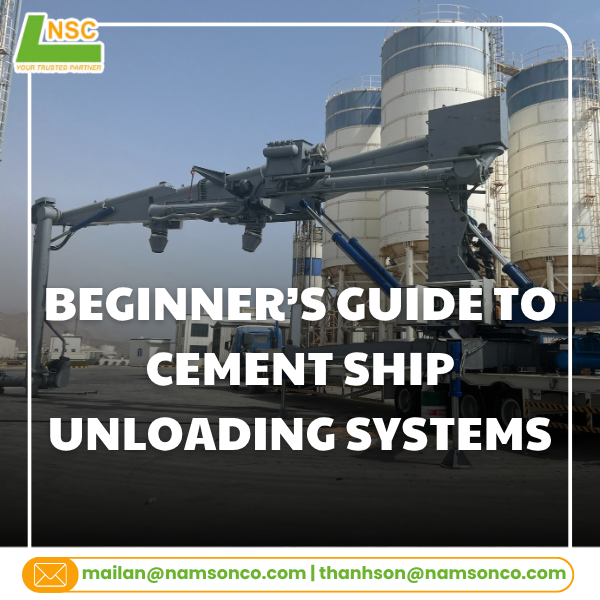
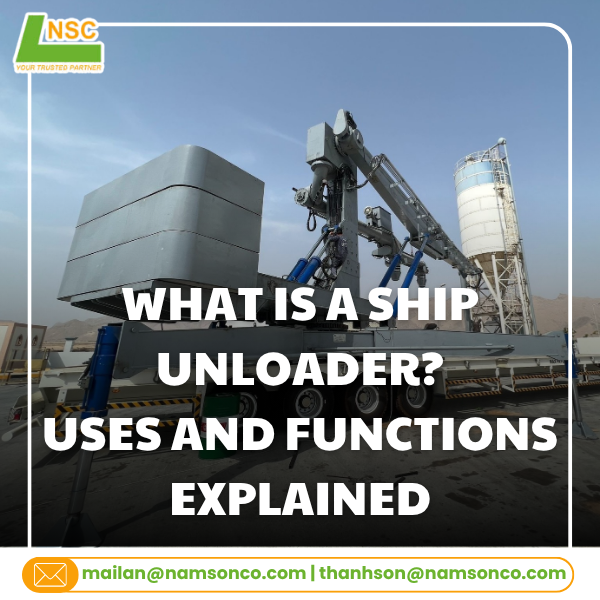
Pneumatic Cement Unloading System is widely used to transfer bulk cement from transport vehicles or vessels into storage silos in a closed and efficient manner. In modern cement logistics, controlling dust emissions during unloading is essential for both environmental protection and workplace safety. Traditional unloading methods often create significant dust pollution, especially when handling dry bulk materials such as cement powder.
A dust-free pneumatic cement conveying system solves this issue by using compressed air to move cement through sealed pipelines. Because the system is fully enclosed, it minimizes material loss and prevents airborne particles from escaping into the surrounding environment. This type of dust free cement unloading technology is therefore commonly adopted in cement plants, port terminals, and bulk material handling facilities where efficiency and environmental compliance are important.
What Is a Pneumatic Cement Unloading System?
A pneumatic cement unloading system is an industrial solution designed to move powdered cement using air pressure rather than mechanical conveyors. The system relies on bulk cement pneumatic conveying principles, where compressed air carries cement particles through pipelines from a tanker, ship, or storage point to a destination such as a silo.
In a typical operation, cement is discharged from a transport container into a sealed pipeline. Air pressure generated by compressors or blowers pushes the powder through the pipeline in a controlled airflow. This air conveying system for cement allows material to travel long distances horizontally or vertically without requiring complex mechanical equipment.
Because the entire conveying path is enclosed, the pneumatic cement pipeline system significantly reduces dust generation and prevents contamination. This makes the technology especially suitable for industries that require clean, efficient, and automated bulk powder handling.
=>See more: Best practices for pneumatic cement ship unloader maintenance and cleaning
Main Components of the System
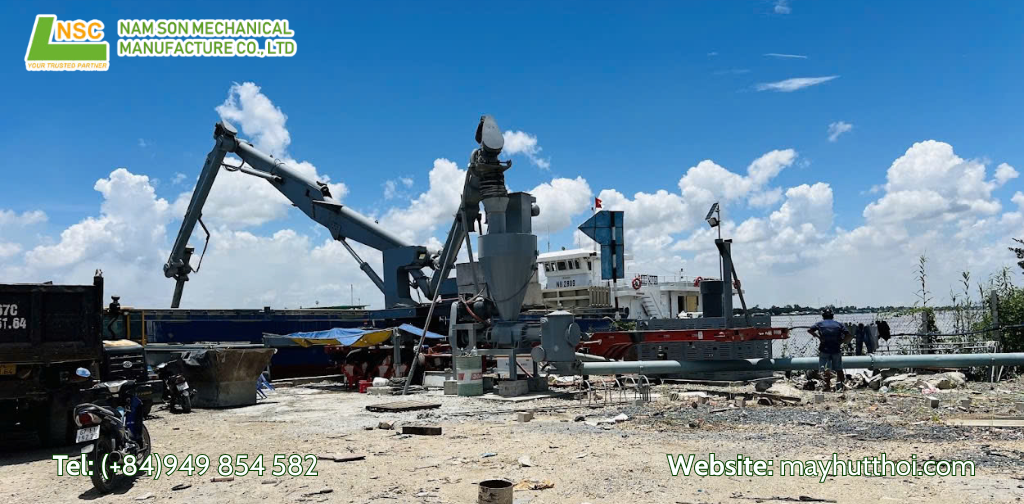
A dust-free cement unloading installation consists of several coordinated components that ensure smooth and reliable material transfer. One of the most important parts is the cement silo unloading system, which serves as the final storage destination for the conveyed cement. The silo is designed to receive material through a sealed inlet while maintaining stable internal pressure and preventing dust leakage.
Air supply equipment is another critical element. A pneumatic conveying blower or compressor provides the airflow required to move cement through the pipeline. The airflow must be carefully controlled so that the cement particles remain suspended and move steadily toward the storage silo.
Flow regulation is managed through devices such as the rotary airlock valve for cement, which allows cement to enter the conveying line while maintaining system pressure. Together with sealed pipelines and control systems, these components ensure that the conveying process remains continuous and stable.
To maintain environmental protection, dust control equipment is typically integrated into the system. Industrial filters or collectors capture any fine particles generated during unloading, supporting a fully enclosed closed loop cement conveying process.
Applications in Plants and Ports
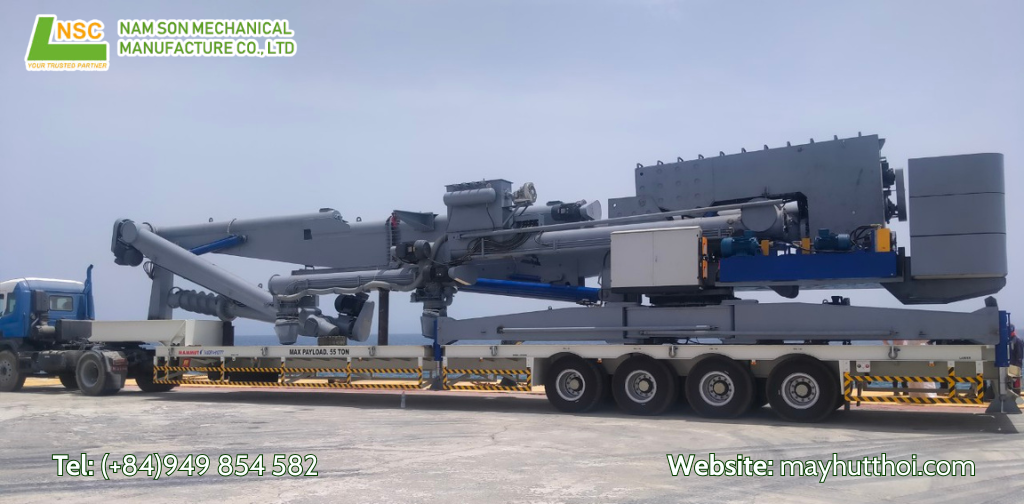
Dust-free pneumatic unloading systems are widely used in cement production facilities. In a cement plant pneumatic conveying setup, the system transfers cement from bulk tankers directly into storage silos before further processing or distribution. This method helps plants maintain clean operations while ensuring rapid unloading of incoming materials.
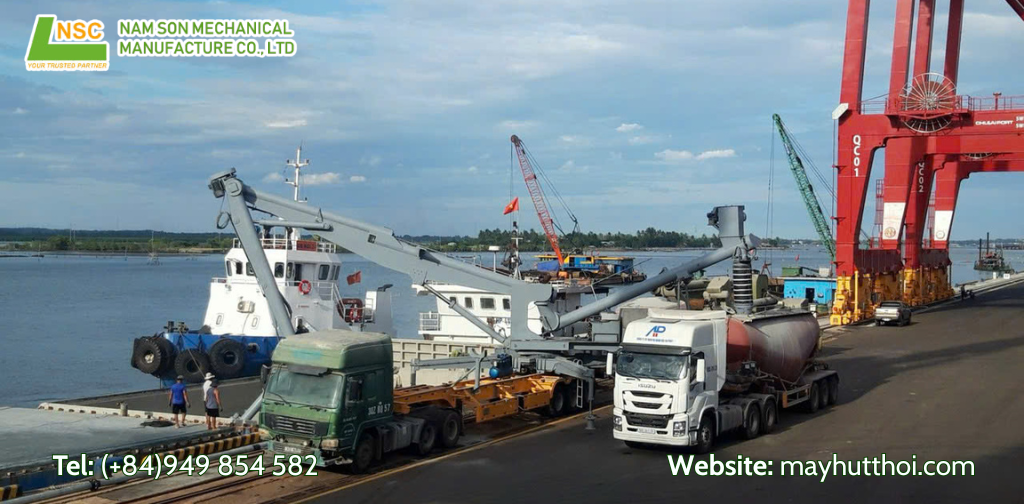
The technology is equally important in maritime logistics. In port environments, a cement ship unloading system enables bulk cement to be transferred from cargo vessels to onshore storage silos. Because the material moves through sealed pipelines, the process avoids the dust clouds that typically occur when unloading large quantities of powdered materials at terminals.
For land transportation, systems designed for bulk cement tanker unloading allow trucks to discharge their cargo efficiently. The cement is pneumatically conveyed into storage facilities or distribution silos, making the process faster and safer compared with open unloading methods.
Key Advantages
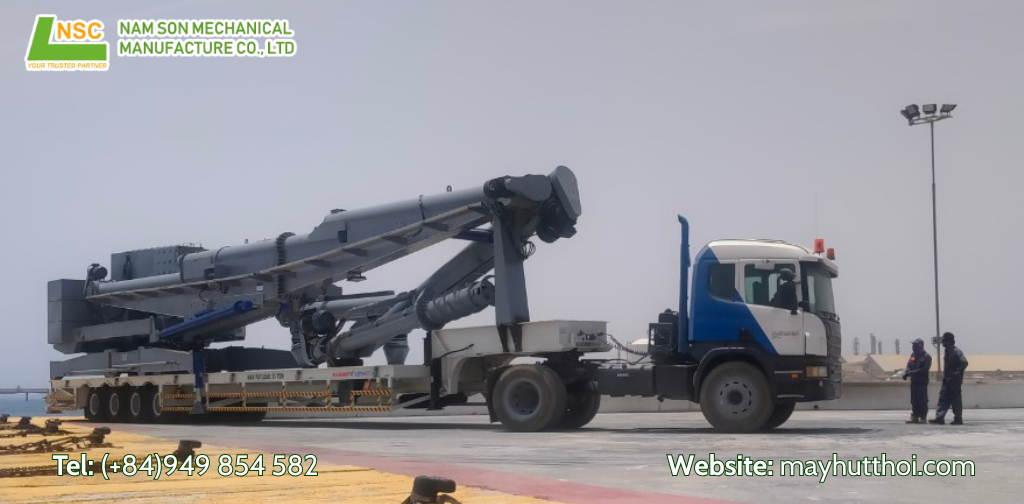
One of the main advantages of pneumatic technology is the ability to achieve efficient cement unloading while maintaining a clean environment. Because the conveying system operates within sealed pipelines, dust emissions are drastically reduced, which protects both workers and surrounding communities.
Another major benefit is capacity and automation. A modern system can deliver high capacity cement unloading while operating continuously with minimal manual intervention. Through automated controls, operators can manage airflow, pressure levels, and discharge rates, allowing the system to function as a reliable automated cement unloading system.
Safety is also improved compared with traditional mechanical systems. Since the cement travels through enclosed pipes, the risk of spills and airborne dust exposure is minimized. This contributes to a safer and more controlled cement handling system, particularly in large industrial environments where large volumes of material must be transferred quickly.
Design Considerations
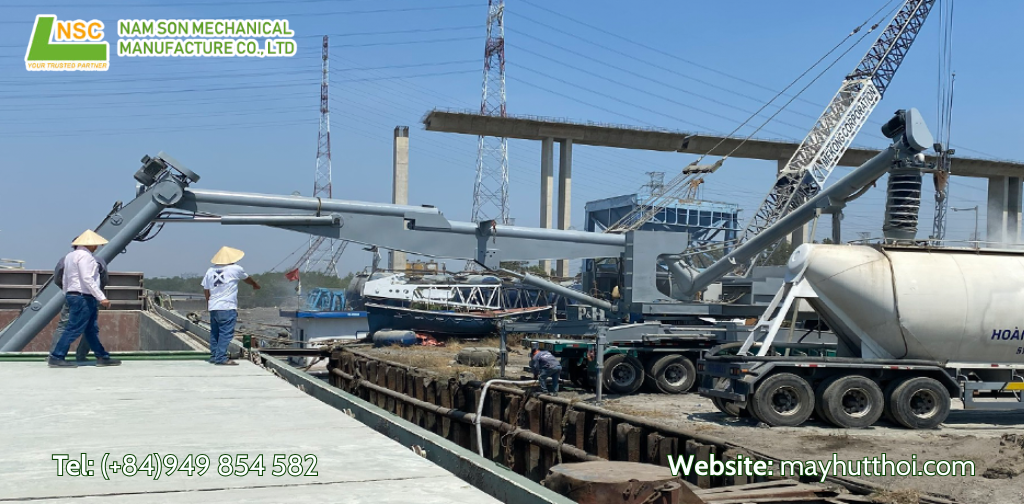
Designing a pneumatic unloading installation requires careful attention to several engineering factors. The first step involves determining the appropriate pneumatic conveying design parameters, including conveying distance, pipeline diameter, airflow velocity, and pressure levels. These factors directly influence system efficiency and energy consumption.
Engineers must also perform pneumatic conveying calculations to ensure that the airflow can keep cement particles suspended throughout the pipeline. If the airflow is insufficient, material may settle inside the pipe and cause blockages.
Another key element is controlling the cement conveying airflow to maintain consistent material movement. Proper airflow management ensures that cement remains fluidized during transport, preventing clogging and maintaining smooth flow into storage silos. When correctly designed, the system can transport cement reliably over long distances while maintaining dust-free operation.
Pneumatic System vs Mechanical Conveyors
Compared with traditional mechanical conveyors, pneumatic systems offer several operational advantages. Mechanical solutions such as screw conveyors are commonly used for short-distance transport, but they can create dust leakage and require frequent maintenance. In many applications, a pneumatic system acts as an effective cement screw conveyor alternative, especially when longer conveying distances or enclosed transport are required.
Pneumatic systems are also more flexible in terms of layout. Since material travels through pipes rather than exposed mechanical structures, the conveying line can easily navigate vertical lifts, bends, and complex facility layouts. This flexibility makes the technology suitable for dry bulk material conveying in large plants and port facilities.
While mechanical conveyors still play a role in certain operations, pneumatic solutions are increasingly preferred for industrial powder conveying systems where cleanliness, automation, and reliability are priorities.
Conclusion
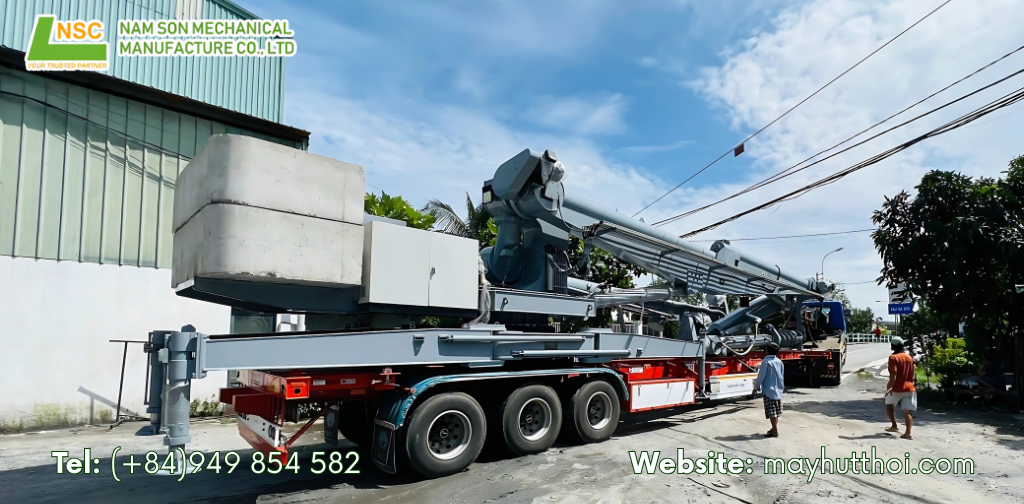
A Pneumatic Cement Unloading System provides an efficient and environmentally responsible solution for transferring cement in modern industrial operations. By using compressed air to move cement through sealed pipelines, the system enables fast unloading while minimizing dust emissions and material loss.
From cement manufacturing plants to maritime terminals, this technology supports safe and reliable bulk material handling. As industries continue to prioritize automation and environmental protection, dust-free pneumatic conveying systems are becoming an essential component of modern cement logistics and storage infrastructure.
Contact us
If you are looking for a reliable dust-free pneumatic cement unloading system for your plant or port terminal, our engineering team can provide customized solutions tailored to your capacity and layout requirements.
Contact us today to receive technical consultation, system design recommendations, and a competitive quotation for your cement conveying project.
✱ Website: mayhutthoi.com |
namsonco.com✱ Alibaba: dthson.trustpass.alibaba.com✱ Facebook: facebook.com/NamSonPneumaticConveyor✱ Zalo/Whatsapp:(+84) 949854582
✱ Email: mailan@namsonco.com | thanhson@namsonco.com