As global trade accelerates and the demand for bulk cargo handling continues to rise, ports face increasing pressure to improve productivity, safety, and operational consistency. In this environment,
ship unloader system automation has become one of the most impactful technological advancements for modern maritime terminals. Automated unloading systems allow ports to handle higher volumes, reduce operational costs, enhance safety, and maintain a competitive edge in a rapidly evolving logistics landscape.
This article explores the
core benefits of ship unloader automation, focusing entirely on the advantages it brings to modern ports—without discussing unrelated topics such as installation, challenges, or general definitions.
Benefits of ship unloader system automation
1. Increased unloading efficiency and higher throughput
Automation dramatically elevates the overall productivity of port operations. With a
high-capacity ship unloader, ports can unload large volumes of bulk cargo per hour, far exceeding the performance of conventional manual or semi-automated systems. These machines operate with greater precision and consistency, enabling ports to maintain predictable loading cycles.
A major advantage lies in the functionality of
continuous ship unloader systems, which eliminate downtime and interruptions. Instead of relying on manual coordination, the automated system maintains steady material flow, which significantly shortens vessel berthing time.
Furthermore, the integration of
high-throughput bulk unloading solutions enables ports to minimize bottlenecks during peak operation periods. Many terminals using modern equipment such as
efficient bulk handling solutions or
performance-optimized ship unloaders have reported measurable improvements in vessel turnaround speed and overall workflow consistency.
Collectively, these efficiencies help ports handle more vessels within the same operational window—greatly boosting revenue potential and reducing congestion.
See more:
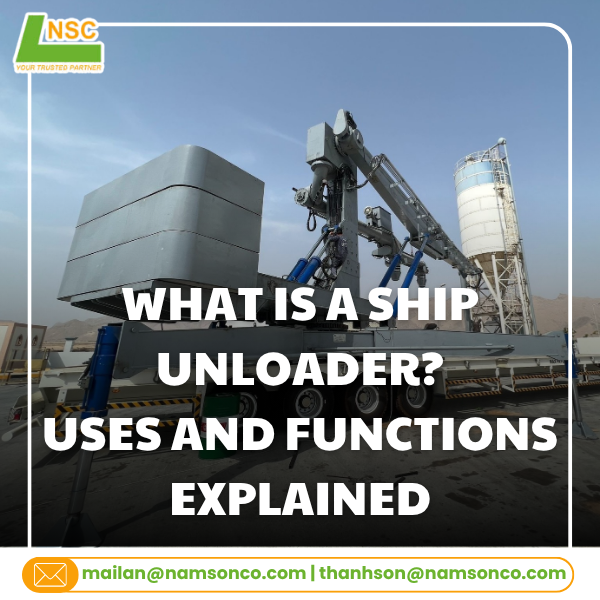
What is a ship unloader? A complete guide to its function and applications
2. Reduced operational costs and labor savings
Another major benefit of ship unloader automation is its ability to drastically cut operating expenses. Automated systems require fewer personnel to oversee unloading operations, particularly because
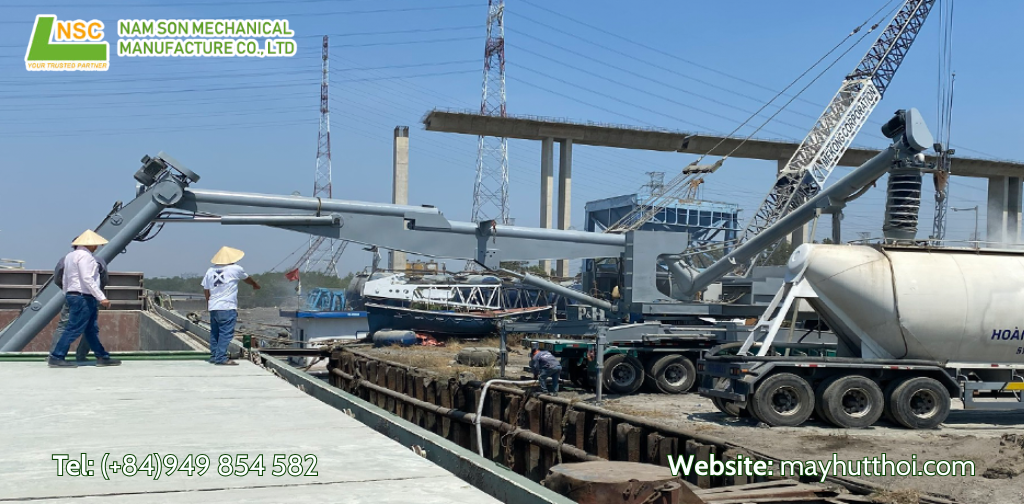
remote-controlled ship unloaders allow operators to control machinery safely from a centralized cabin or remote control room.
The financial advantages extend beyond labor savings. By using an
automated bulk transfer system, ports can reduce material losses, minimize unloading errors, and streamline overall material flow. Automated systems also use energy more efficiently, lowering long-term power consumption.
A key feature supporting cost reduction is
predictive maintenance for ship unloaders. This technology monitors the condition of components in real time, detecting early signs of wear or malfunction. Instead of facing unexpected breakdowns, ports can schedule maintenance proactively—eliminating unplanned downtime and avoiding costly repairs.
Equipment designed as
productivity-enhanced ship unloaders or
cost-effective ship unloading systems ensures that ports achieve high performance while maintaining budget-friendly operational metrics over the equipment’s lifecycle.
3. Improved safety and reduced worker risk
Safety is a critical priority for modern port operations, and automation significantly improves safety outcomes. A
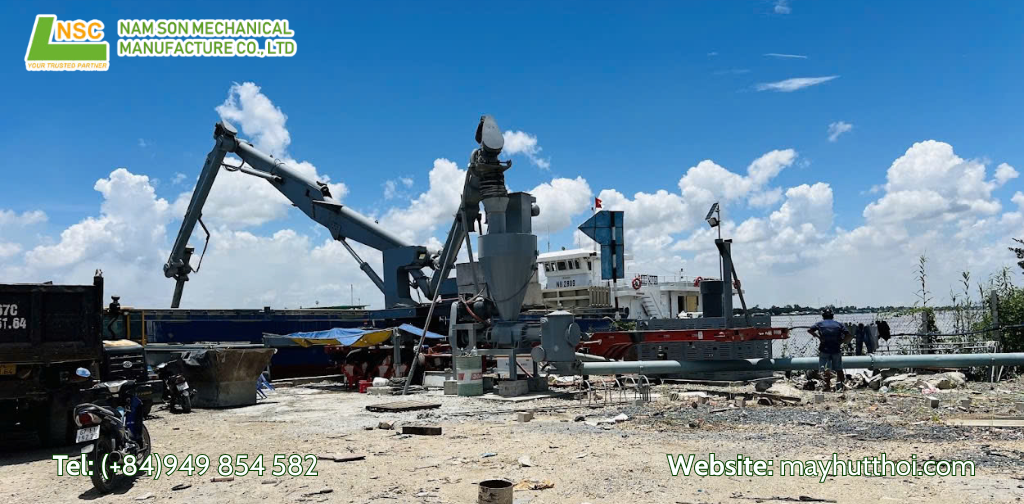
safe ship unloading system reduces the need for workers to physically enter hazardous cargo hold areas or operate machinery in risky environments.
Tools like
ship unloading safety monitoring provide real-time insights into system performance, helping operators detect anomalies early and respond promptly. Meanwhile,
automated safety control for unloaders ensures that emergency stop functions, monitoring systems, and operational safeguards activate instantly without human error.
Such technologies create a safer environment characterized by
hazard-free unloading operations, minimizing injuries, equipment collisions, and other operational incidents. This is particularly valuable in ports handling dangerous or highly sensitive bulk materials.
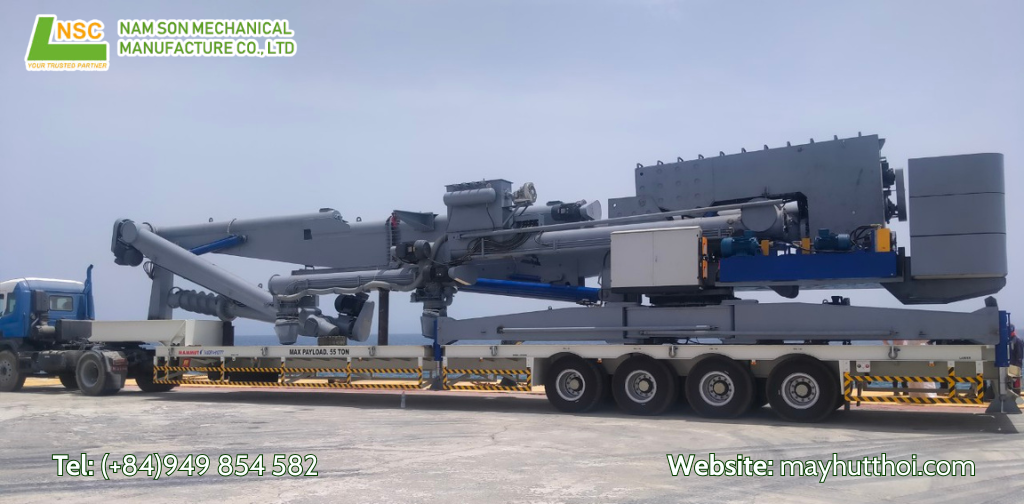
4. Reduced dust pollution, minimized material loss, and better environmental protection
Bulk cargo
unloading—especially with cement, grain, clinker, or coal—often produces dust, emissions, and material spillage. Automation helps mitigate these environmental challenges.
Modern systems equipped with
dust-free unloading technology significantly limit dust dispersion during cargo discharge. This is critical not only for regulatory compliance but also for maintaining healthy working conditions and reducing environmental impact on nearby communities.
To further strengthen dust mitigation, ports rely on
port dust suppression equipment, which captures airborne particles and keeps the surrounding area clean and safe. Additionally,
anti-spillage system technologies help prevent cargo loss during unloading, ensuring material integrity and reducing the cost of wasted resources.
These capabilities make automated ship unloaders an environmentally superior choice—supporting eco-friendly port operations and minimizing the environmental footprint of large-scale bulk handling.
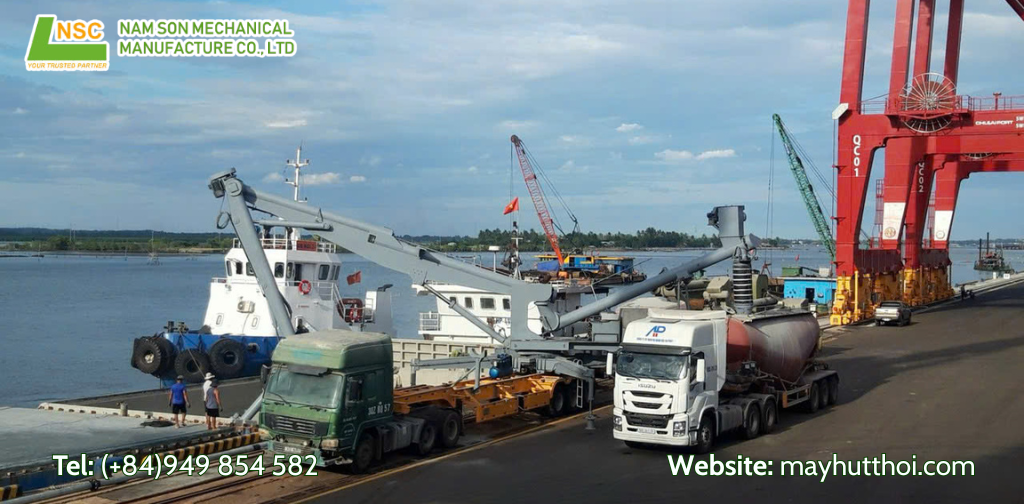
5. Enhanced accuracy and operational consistency
One of the most transformative advantages of automation is the increased precision and consistency it provides within daily port operations. Through a
digital ship unloading system, operators gain real-time access to performance metrics such as flow rate, cargo volume, equipment load, and energy consumption.
Automated systems supported by
sensor-integrated unloading systems can adjust lifting speeds, conveyor rates, and discharge flow based on material density and hold configuration. This results in more accurate material handling, better measurement, and improved inventory tracking.
Additionally,
intelligent unloading systems help coordinate material flow and automatically correct inefficiencies, ensuring consistent performance even under fluctuating operational conditions. Such precision helps prevent overloading, spillage, and uneven discharge—issues that frequently arise in manual systems.
Overall, accuracy ensures ports can provide reliable service, reduce cargo discrepancies, and optimize terminal-wide logistics performance.
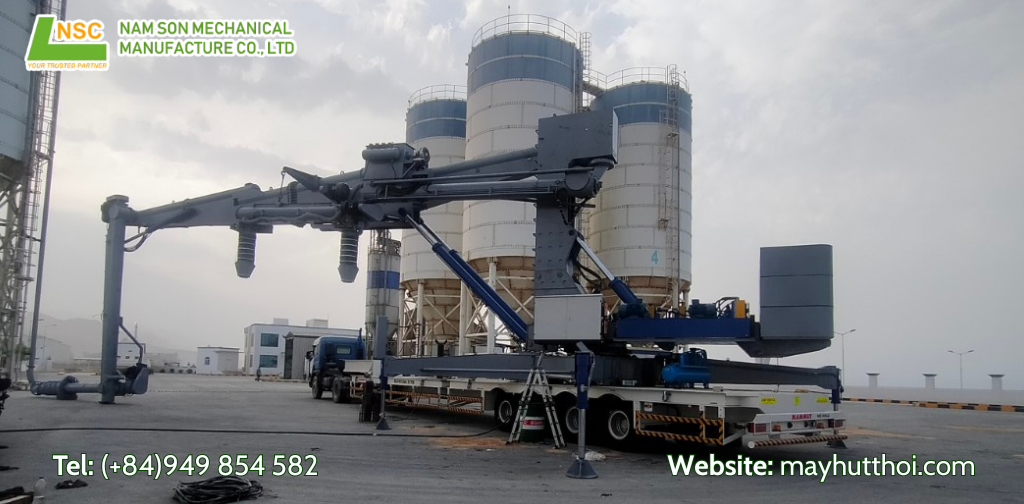
6. Optimized performance across different bulk material types
a) Grain & Food Cargo
Grain terminals benefit greatly from
grain ship unloader automation, which helps prevent contamination and preserve grain quality during unloading. The design of the
soybean vessel unloading machine allows ports to handle sensitive agricultural products efficiently, maintaining freshness and minimizing breakage.
b) Cement & Clinker
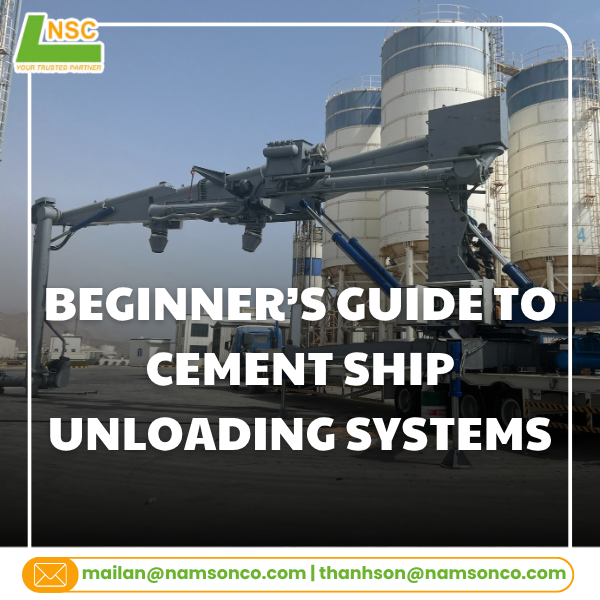
For construction materials, the
cement ship unloading system provides high flow rates while significantly reducing dust emissions. Automated systems also help prevent clogging and minimize loss of fine materials like clinker, enhancing overall product handling efficiency.
c) Coal, Minerals & Fertilizer
Heavy bulk materials present specific challenges related to wear, corrosion, and handling difficulty. A
coal ship unloader is engineered to withstand high-impact, abrasive substances, ensuring durable performance. Similarly,
fertilizer bulk unloading equipment is designed to resist chemical corrosion, maintain efficiency, and reduce long-term maintenance costs.
Automation ensures each material type is handled optimally, maximizing throughput while reducing equipment stress and material damage.
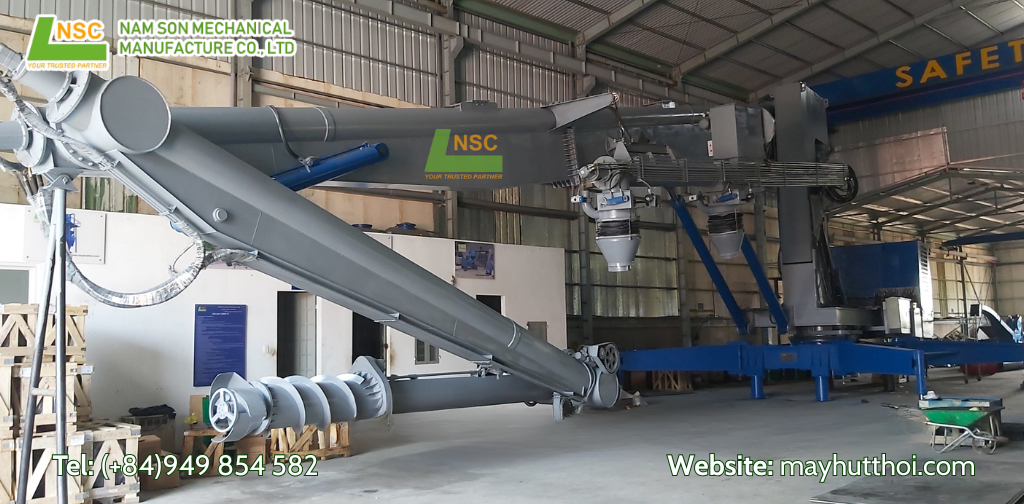
7. Streamlined port operations and improved terminal performance
On a broader operational scale, automation transforms the entire workflow of port logistics. With an
automated cargo handling workflow, ports establish standardized procedures that eliminate manual inconsistencies and improve coordination among different teams and equipment.
Faster
unloading times directly contribute to
vessel turnaround improvement solutions, helping carriers reduce waiting time and improving shipping schedules. This is a crucial metric for port competitiveness.
By integrating
terminal bulk handling automation, ports enable smoother material flow from ship to conveyor to storage. Additionally,
marine terminal unloading equipment ensures seamless coordination between quay cranes, conveyor systems, hoppers, and storage facilities, greatly reducing bottlenecks and operational delays.
The result is a more synchronized, efficient port system capable of handling higher cargo volumes with fewer disruptions.
.png)
8. Increased ROI and long-term port competitiveness
Investing in
ship unloader system automation leads to long-lasting financial and strategic advantages. The combination of faster unloading, lower labor costs, reduced maintenance, and improved safety contributes to rapid return on investment.
Solutions such as
seaport automated unloading solutions allow ports to achieve operational excellence, enabling them to attract larger vessels, expand cargo volume, and improve commercial reputation. In an increasingly competitive maritime industry, automated systems act as a key differentiator.
Finally, the integration of
port modernization equipment positions ports for future growth by aligning with global trends in industrial automation, sustainability, and digital transformation.
.png)
Conclusion
Automated ship unloader systems play a critical role in shaping the future of modern ports. By increasing unloading efficiency, enhancing safety, reducing operational costs, improving environmental performance, and strengthening port competitiveness,
ship unloader system automation has become indispensable to long-term port development.
As global trade continues to expand, ports that prioritize automation will be better equipped to meet rising demand, maintain high service levels, and ensure sustainable, technology-driven growth.
See more: 5 common errors when operating a cement ship unloader and how to fix them
Contact us
Ready to upgrade your port with advanced ship unloader system automation? Contact us today for expert guidance and discover how intelligent ship unloading technology can transform your operational efficiency.
✱ Website: mayhutthoi.com|
namsonco.com✱ Alibaba: dthson.trustpass.alibaba.com✱ Facebook: facebook.com/NamSonPneumaticConveyor✱ Zalo/Whatsapp:(+84) 949854582
✱ Email: mailan@namsonco.com | thanhson@namsonco.com