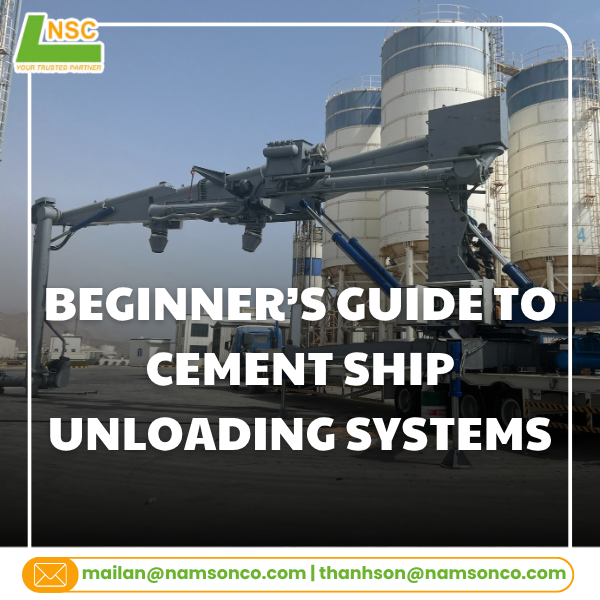
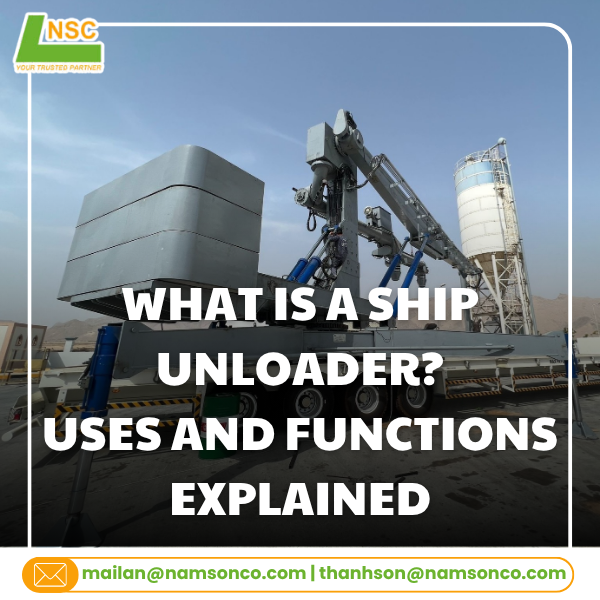
A
ship unloader conveyor has rapidly become one of the most efficient solutions for accelerating bulk cargo unloading at modern seaports. Unlike traditional unloading systems such as grab cranes or bucket loaders, which operate in repetitive stop-and-go cycles, a ship unloader conveyor delivers a continuous, stable, and almost fully automated material flow. This uninterrupted operation is the key factor that dramatically shortens vessel turnaround time, increases throughput capacity, and reduces operating costs for terminals. As ports worldwide face increasing pressure to streamline operations, optimize berth occupancy, and improve efficiency, the advantages of using a conveyor-based unloading system have become more compelling than ever.
What makes the ship unloader conveyor so effective is not only the way it maintains a consistent flow of cargo, but also the integration of high-performance components such as heavy-duty belt conveyors, drive pulleys, idler rollers, sealed unloading chutes, and advanced automation controls. All these elements work together to create a system capable of handling everything from cement, clinker, grain, fertilizer, and biomass to various types of dry bulk materials with minimal interruption. In high-traffic ports, where every hour saved can translate into substantial economic gains, the ship unloader conveyor is increasingly recognized as a critical component of modern port infrastructure.
What makes ship unloader conveyor faster than traditional methods?
1. Continuous flow operation
The primary reason a
ship unloader conveyor outperforms older unloading methods is its ability to maintain a
continuous material flow. Whereas grab cranes or mechanical buckets must repeatedly stop, reset, swing, and dump materials in individual cycles, a continuous ship unloader keeps extracting cargo without interruption. Material moves steadily from the ship’s hold, through the unloading system, and onto the belt conveyor, which transports it directly to storage facilities such as warehouses, domes, or silos.
Because there is no downtime between cycles, the system eliminates the "dead time" that slows down traditional unloading processes. Whether handling cement, grain, coal, or other bulk goods, the continuous flow ensures stable productivity from start to finish. Ports that switch to ship unloader conveyors often observe a significant improvement in unloading consistency, as the machine does not rely on repetitive manual operation or timing-based cycles.
This continuous unloading principle not only increases speed but also reduces variability in unloading rates—a major benefit when dealing with large vessels carrying tens of thousands of tons of material.
2. High throughput capacity
Another major advantage of
ship unloader conveyors is their exceptionally
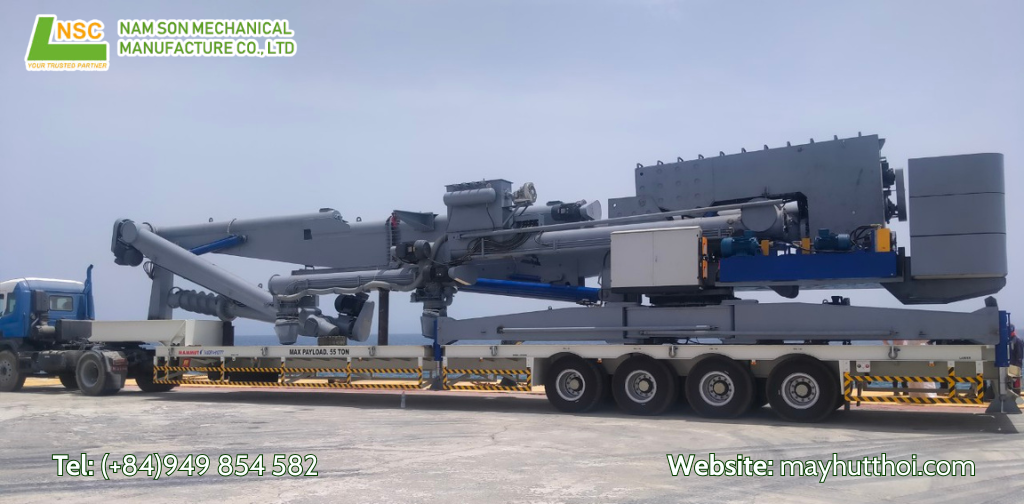
high throughput capacity, typically ranging from 500 TPH to 1000 TPH or more depending on the configuration. The system uses heavy-duty belt conveyors combined with robust drive pulleys and optimized feed hoppers to ensure a smooth and uniform material flow.
Unlike intermittent systems where capacity fluctuates depending on the operator’s skill or the grab size, a conveyor-based system maintains a predictable, continuous rate. The design of the unloading chute and the constant feeding mechanism ensures that material neither clogs nor becomes unstable during the transfer, which is crucial when handling fine or powdery materials such as cement or clinker.
This high throughput capability enables ports to unload vessels significantly faster. In many cases, ports using ship unloader conveyors report that unloading time is reduced by 30%–50% compared to conventional methods, making it possible to handle more vessels within the same operating window.
3. Reduced manual intervention
A
ship unloader conveyor dramatically reduces the amount of manual labor required during unloading operations. Traditional methods depend heavily on human operators who must constantly coordinate equipment, adjust positions, or manually guide the machinery. In contrast, a conveyor-based system minimizes human involvement through automated controls, centralized monitoring, and integrated sensors.
The system automatically maintains appropriate belt speed, regulates material flow, and monitors vibration, weight, and operational stability. By reducing human intervention, the ship unloader conveyor achieves consistent performance, eliminates human error, and avoids operational delays caused by operator fatigue or coordination issues.
This shift toward mechanized and automated unloading allows ports to maintain higher productivity while reducing labor costs and improving workplace safety.
How automation enhances unloading speed
1. Remote-control & smart operation
Modern ship unloader conveyors incorporate advanced
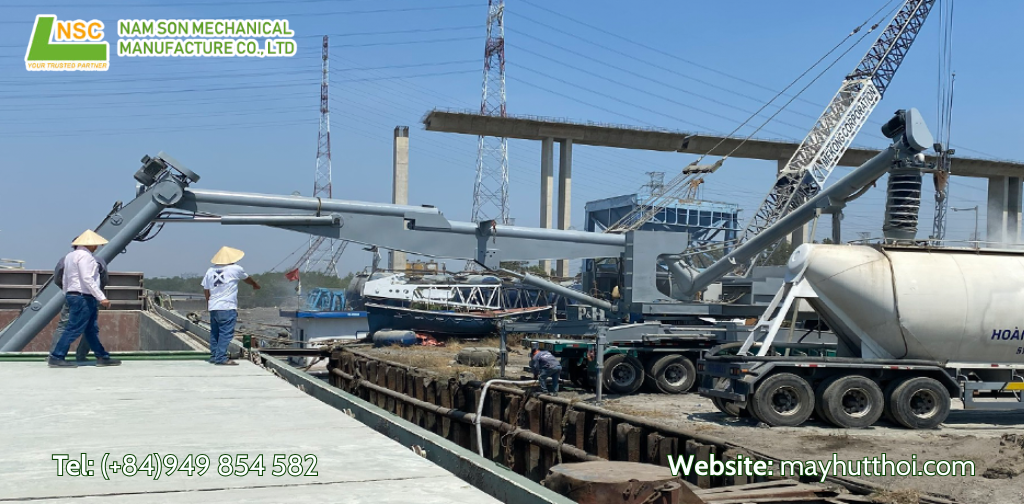
remote-controlled unloader technology, allowing operators to control the entire system from a centralized command room. The machine's position, feed rate, and operating parameters can be adjusted through smart automation software, which responds instantly to changes within the ship’s hold.
This remote-controlled system reduces the need for manual adjustments and eliminates time-consuming on-site corrections. Operators can quickly adapt the system to handle irregular cargo levels, hard-to-reach corners, or variations in material characteristics. Smart sensors continuously gather data and optimize performance in real time, ensuring that the unloading rate remains high and stable.
By integrating predictive algorithms and automated feedback loops, the
ship unloader conveyor maintains the ideal operating speed without compromising safety or efficiency.
2. Stable working performance
The stable performance of a
ship unloader conveyor is one of the core reasons it can maintain higher unloading speeds. Well-engineered components such as idler rollers, heavy-duty belt conveyors, and high-torque drive pulleys enable the machine to run smoothly under harsh conditions. The design effectively minimizes belt slippage, vibration, and mechanical stress, ensuring consistent performance throughout long operations.
When equipment operates smoothly, the risk of breakdowns, blockages, or unplanned maintenance decreases dramatically. This reliability is crucial in ports, where even a short interruption can delay schedules, increase demurrage costs, and disrupt logistics chains. A stable conveyor system allows ports to maintain strict timelines and handle high-demand periods without sacrificing performance.
3. Dust-free continuous work
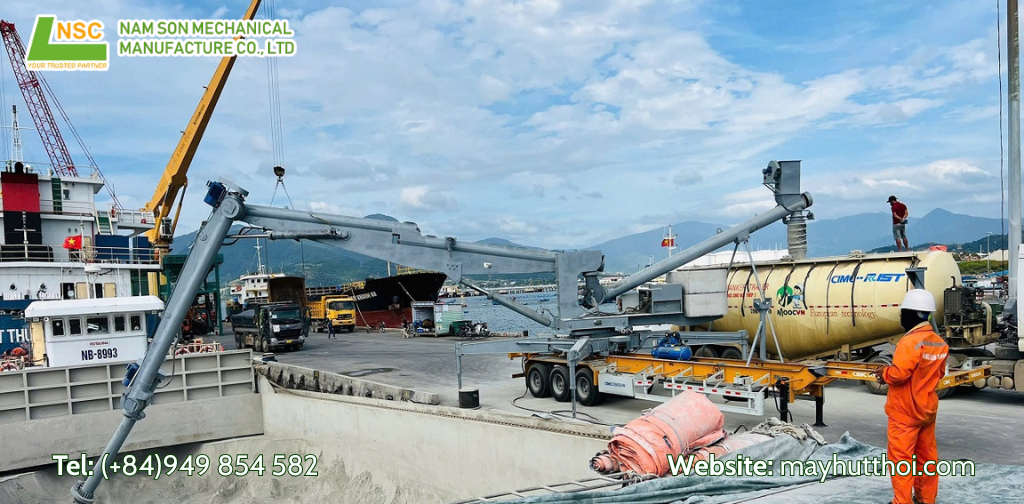
Bulk materials like cement, clinker, grain, and fly ash often generate dust, which traditionally forces operators to pause unloading operations for cleaning or safety checks. Ship unloader conveyors solve this problem through integrated dust suppression, dust collection systems, and sealed unloading chutes.
These dust-control features not only improve environmental safety but also enable uninterrupted operation. Because the
unloading system does not create excessive airborne dust, ports can maintain high speeds without stopping for cleanup or safety inspections. As a result, working conditions improve, environmental compliance becomes easier, and overall unloading speed increases.
Key benefits ship unloader conveyor brings
1. Higher unloading speed
Thanks to continuous flow, high throughput, and smart control systems,
ship unloader conveyors help ports increase unloading speed by 20%–60%. For large vessels, these improvements significantly shorten unloading time, enhance berth availability, and allow terminals to handle more ships in a shorter period.
2. Lower operating costs
The reduction in manual labor, the elimination of multiple auxiliary machines, and the stable, energy-efficient conveyor design all contribute to lower operating costs. Many port operators also benefit from the reduced maintenance needs of conveyor-based systems compared with mechanical or hydraulic unloaders.
3. Reduced demurrage cost
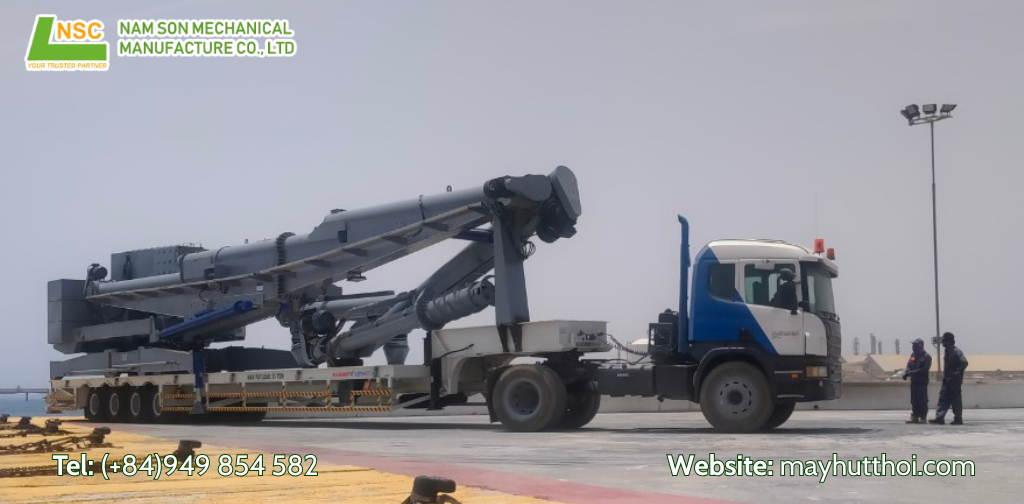
Faster unloading directly reduces vessel waiting time and minimizes demurrage charges. For shippers and port operators, saving even a few hours of unloading time can result in substantial cost reductions, especially in high-volume operations.
4. Stable and safe operation
Automation, dust control, reduced manual involvement, and continuous monitoring all contribute to a safer, more controlled work environment. Operators face fewer hazards, and the port benefits from fewer incidents and a more predictable operational flow.
Conclusion
A ship unloader conveyor is a comprehensive solution designed to maximize unloading speed and efficiency through continuous operation, high throughput, smart automation, and exceptional reliability. These advantages create a significant impact on port operations by shortening vessel turnaround time, reducing costs, and increasing productivity. As global trade grows and ports seek modern solutions to enhance performance, the ship unloader conveyor stands out as a must-have technology that delivers long-term value in speed, safety, and operational efficiency.
=>SEE MORE: What is a ship unloader? A complete guide to its function and applications
Looking for a faster and more efficient ship unloading solution? Contact us today for expert guidance on ship unloader conveyor systems and optimize your port’s performance.CONTACT US
✱ Website: mayhutthoi.com|
namsonco.com✱ Alibaba: dthson.trustpass.alibaba.com✱ Facebook: facebook.com/NamSonPneumaticConveyor✱ Zalo/Whatsapp:(+84) 949854582
✱ Email: mailan@namsonco.com | thanhson@namsonco.com