Handling bulk materials efficiently is the foundation of modern port logistics. As global trade continues to expand, ports must rely on advanced
bulk ship unloading systems to discharge materials such as cement, coal, grain, and fertilizer quickly and safely. Choosing the right
ship unloader not only improves productivity and energy efficiency but also reduces dust emissions and operational downtime. Understanding how each system functions — from pneumatic and mechanical unloaders to continuous high-capacity units — is key to optimizing every stage of
bulk cargo unloading and ensuring sustainable terminal operations.
What is bulk ship unloading?
A
bulk ship unloading system enables the efficient removal of materials such as cement, coal, grain, or fertilizer from ships through a controlled discharge process. The system typically combines a
ship unloader machine, a
hopper, and a network of
belt conveyors or
pneumatic pipelines that move cargo to storage or processing facilities. The main goal is to handle large quantities of bulk materials with minimal dust emission, product loss, and operational downtime.
The operation begins when the
unloader boom is positioned over the vessel’s hatch. A series of mechanical or pneumatic components then lifts or suck the material from the hold and transfers it into a receiving hopper. The design can vary according to cargo type: abrasive materials, such as iron ore, require durable equipment, while light powders, like cement, demand sealed, dust-free systems. Automated PLC control systems monitor every step, ensuring precision, safety, and consistent performance across multiple shifts. In large-scale port unloading operations, the choice of technology directly affects terminal profitability and sustainability.
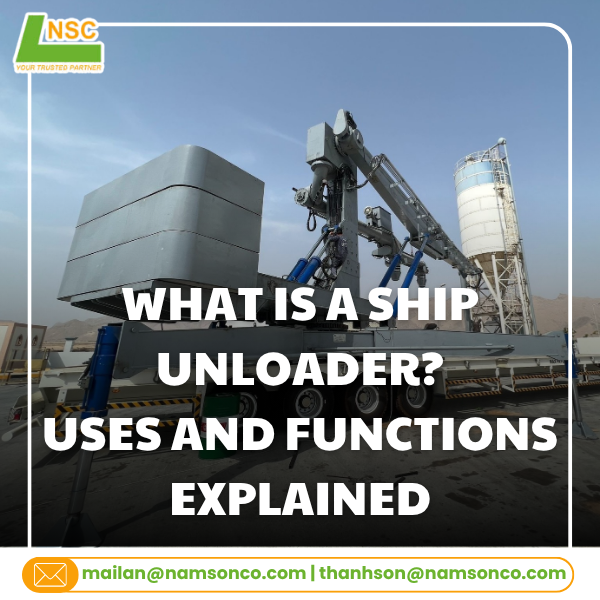
=>SEE MORE: What is a ship unloader? A complete guide to its function and applications
.png)
Main types of bulk ship unloading systems
1. Continuous ship unloader (CSU)
The
continuous ship unloader represents the most efficient form of bulk unloading. Using a chain of buckets or a vertical screw mechanism, it operates continuously without interruption, providing a stable material flow and exceptional throughput. Continuous unloaders are especially popular at cement, grain, and clinker terminals, where high capacity and minimal dust release are priorities. These machines are engineered for energy savings and are often integrated with
automated control systems for remote operation and performance monitoring. Their
dust-free unloading design aligns with modern environmental regulations, while the gentle handling mechanism minimizes material degradation. The CSU’s ability to maintain steady discharge makes it ideal for ports aiming to maximize berth utilization and reduce vessel turnaround times.
2. Grab-type ship unloader
The
grab-type ship unloader remains a reliable workhorse for many bulk ports worldwide. It uses a clamshell grab attached to a crane — often
rail-mounted or
gantry-type — to scoop bulk material from a vessel’s hold and deposit it into a hopper or conveyor. This system provides flexibility across different vessel sizes and cargo types, from coal and limestone to fertilizers and aggregates. While not as fast as a continuous system, the grab unloader is simpler, more economical, and easier to maintain. Its modular design allows ports to adapt equipment quickly, making it an excellent choice for terminals that handle diverse cargoes. Operators appreciate its low installation cost and straightforward maintenance, though it may require additional dust suppression equipment during operation.
.png)
3. Pneumatic ship unloader
For materials that demand absolute cleanliness, the
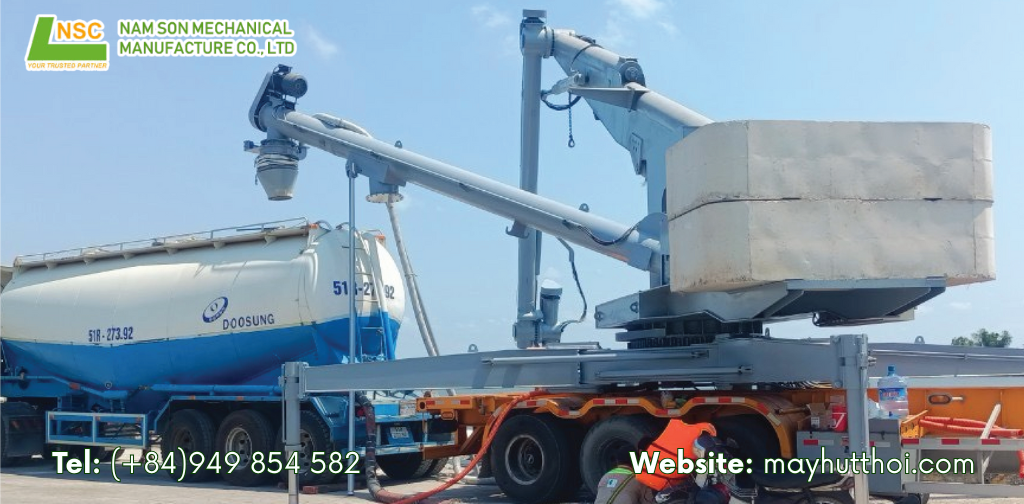
pneumatic ship unloader offers an advanced alternative. It uses pressurized air or vacuum suction to draw fine powders like cement, fly ash, alumina, or chemical powders through sealed pipelines. The technology ensures a
dust-free environment, protecting both workers and nearby facilities from contamination. Pneumatic systems typically include blowers, filters, and airlocks to regulate pressure and airflow, enabling smooth transfer over long distances. The flexibility of
pneumatic conveying design makes it suitable for compact port layouts where space is limited. Although pneumatic systems generally handle lower capacities than mechanical unloaders, their precision, cleanliness, and energy efficiency make them ideal for specialized terminals requiring product purity and environmental compliance.
4. Mechanical and screw-type unloadersMechanical unloaders employ screw conveyors, chain systems, or bucket elevators to move bulk materials from ship holds to hoppers. The
screw-type unloader in particular is valued for its enclosed design and steady discharge rate, suitable for materials like fertilizer, biomass, or grain. It provides a compact solution for small and medium-sized ports where large cranes or continuous systems would be impractical. Built with wear-resistant components and minimal moving parts, these systems require limited maintenance while ensuring consistent performance. In addition, their enclosed structure helps reduce dust emissions and material spillage, supporting cleaner, safer port operations.
Design and industrial applications of bulk ship unloading systems
1. Engineering and design considerations
The effectiveness of a
ship unloader design depends on multiple engineering factors, including the physical characteristics of the material, the desired unloading rate, and the terminal’s infrastructure. Engineers must balance performance with durability, automation, and safety. A well-designed unloader includes a boom structure capable of withstanding dynamic loads, a
discharge chute and
hopper system optimized for material flow, and a
feeder mechanism that minimizes clogging and wear. Integration of
automation control systems and
PLC technology allows real-time monitoring, automatic fault detection, and smooth synchronization with conveyors or silos.
Attention to
energy efficiency is vital, as unloaders can consume significant power during operation. Optimized motors and hydraulic systems, coupled with intelligent control software, help reduce energy use without sacrificing performance. Equally important is the incorporation of
dust collection systems and
environmental safeguards, which ensure compliance with global emission standards and maintain safe working conditions for port personnel.
2. Applications across different bulk industries
The versatility of
bulk ship unloading systems enables their use across multiple industries. In
cement terminals,
pneumatic unloaders dominate due to their sealed operation, preventing product contamination and ensuring high purity during transfer.
Grain terminals rely on
continuous unloaders equipped with bucket chains to preserve grain quality while achieving high throughput.
Coal and mining facilities prefer robust
grab-type mechanical unloaders capable of handling abrasive, heavy materials with superior lifting strength. Meanwhile,
fertilizer and
biomass plants often choose
screw-type unloaders for controlled discharge, reducing dust and product degradation. Each application underscores how design optimization — from material selection to automation integration — directly influences efficiency, safety, and operating costs. The right combination of technology and engineering ensures that ports can handle diverse cargoes under varying environmental and logistical conditions.
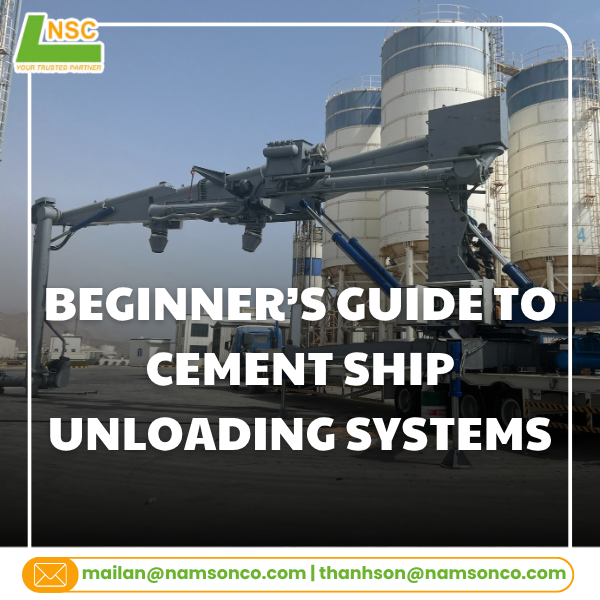
=> SEE MORE: Beginner’s guide to cement ship unloading systems
.png)
Conclusion
Understanding the
different types of bulk ship unloading systems is crucial for optimizing the performance of any dry bulk terminal. Each technology — whether continuous, pneumatic, grab-type, or mechanical — serves distinct operational needs and offers unique benefits. Efficient
ship unloader design, proper system integration, and thoughtful material selection determine how effectively a port can move thousands of tons of bulk cargo daily.
As global trade expands, ports that invest in advanced
bulk ship unloading systems stand to gain significant advantages in speed, efficiency, and sustainability. Selecting the right equipment is not merely about capacity; it is about building a reliable foundation for future growth, environmental compliance, and cost-effective operations. With the right combination of design, automation, and maintenance, terminals can transform their unloading processes into powerful assets that define modern maritime logistics.
Looking for a reliable and energy-efficient bulk ship unloader for your port terminal?
Contact our engineering team today to get a customized unloading solution that fits your material, capacity, and site requirements. CONTACT US
✱ Website: mayhutthoi.com|
namsonco.com✱ Alibaba: dthson.trustpass.alibaba.com✱ Facebook: facebook.com/NamSonPneumaticConveyor✱ Zalo/Whatsapp:(+84) 949854582
✱ Email: mailan@namsonco.com | thanhson@namsonco.com