
Hotline/Whatsapp: +84 949 854 582thanhson.namson@gmail.com


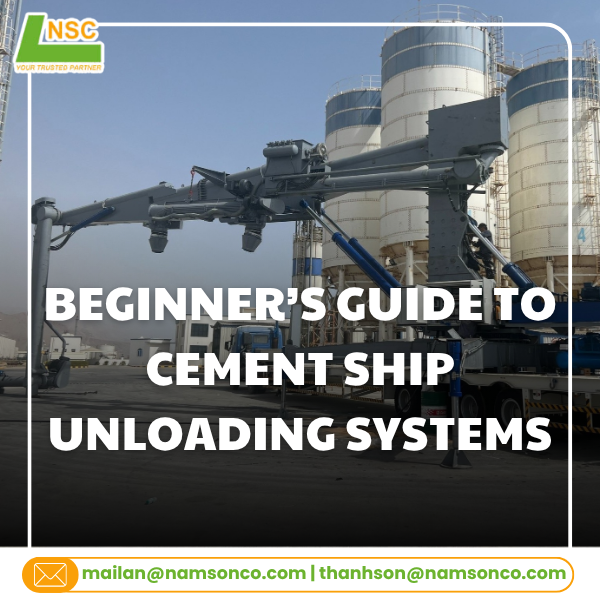
A Ship to Silo Cement Unloading System provides an efficient solution for transferring bulk cement directly from vessels to storage silos at ports, cement terminals, and industrial facilities. By integrating unloading equipment, pneumatic conveying technology, pipelines, and silo filling components, this system helps streamline material handling and improve operational efficiency. It also supports dust control, reduces material loss, and minimizes manual handling during bulk cement transfer.
For businesses handling large volumes of cement, selecting the right ship-to-silo system is essential for maintaining reliable operations, optimizing unloading capacity, and meeting site-specific requirements.
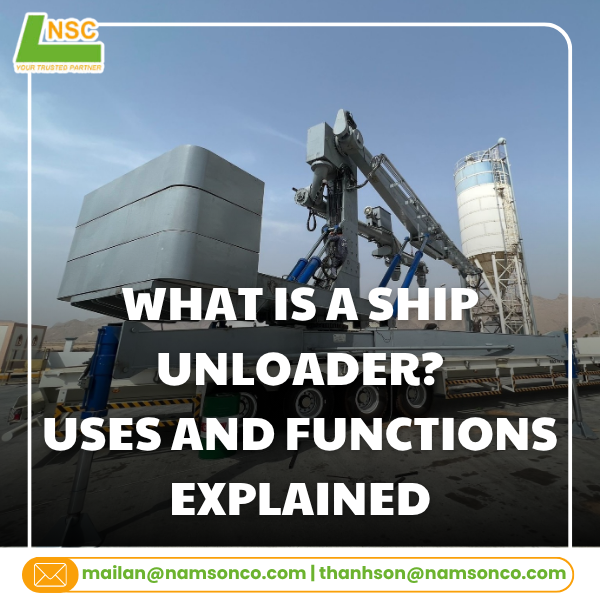
A Ship to Silo Cement Unloading System is an integrated material handling solution designed to transfer bulk cement from a ship's cargo hold into designated storage silos. Depending on the project configuration, it may use pneumatic conveying equipment to transport cement through enclosed pipelines from the unloading point to the storage facility.
A complete Ship to Silo Cement Transfer System typically combines a cement ship unloader, conveying equipment, transfer pipelines, dust collection units, and silo filling equipment. These components work together to provide a controlled transfer process from vessel discharge to final storage.
Unlike standalone unloading equipment, an integrated system coordinates the entire material flow, helping cement terminals manage bulk cargo more efficiently.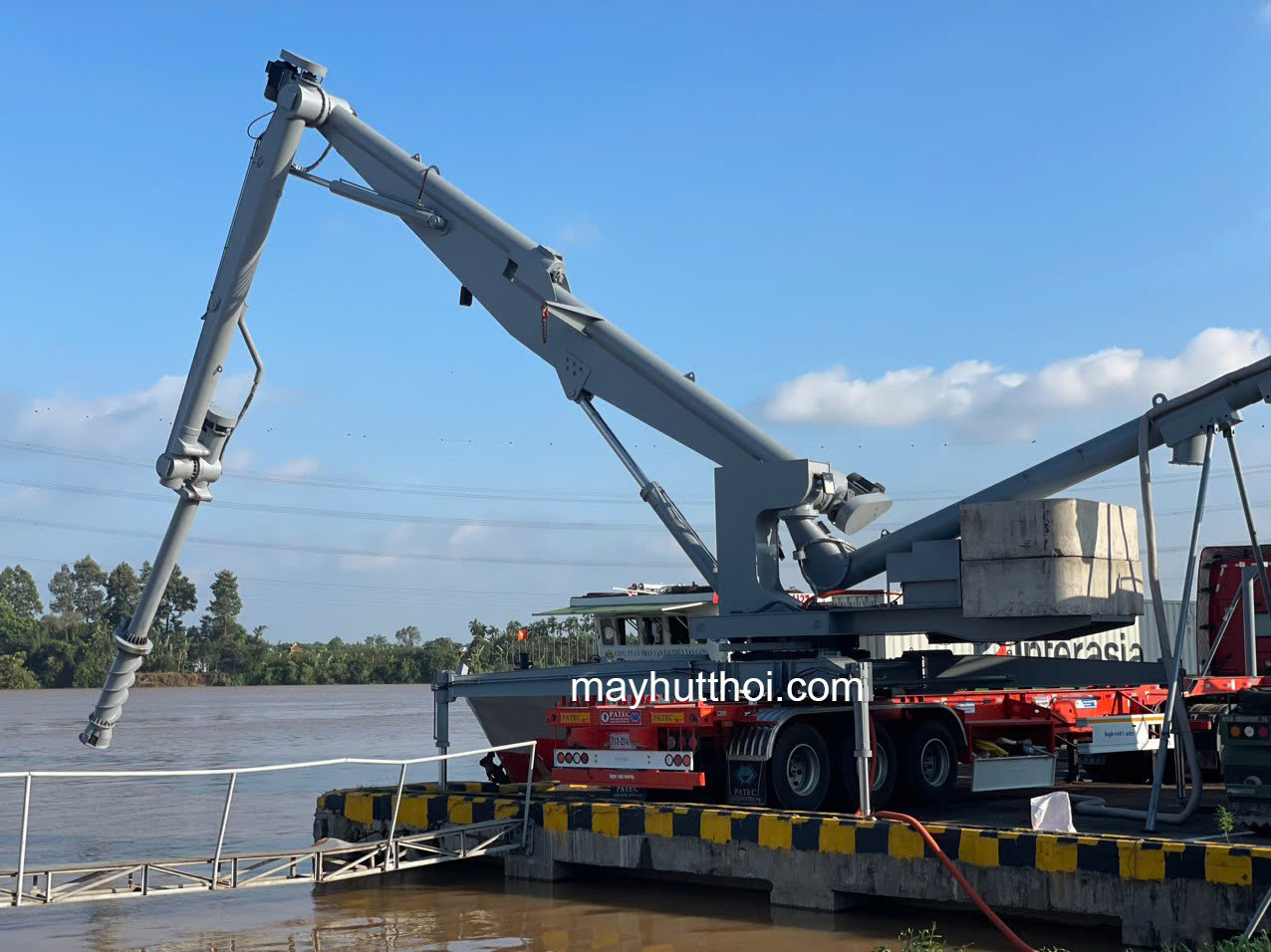
The process begins when a cement ship unloader extracts bulk cement from the vessel's cargo hold. The equipment is selected according to vessel dimensions, unloading capacity, cargo characteristics, and port conditions. Proper equipment selection helps maintain a consistent material supply for the downstream conveying process.
After unloading, cement enters the conveying system and moves through pipelines using controlled airflow and pressure. A Pneumatic Cement Conveying System can transport fine cement powder over suitable distances while keeping the material enclosed.
The system configuration depends on conveying distance, pipeline layout, required throughput, and material properties. Pressure conveying or vacuum conveying may be considered according to the specific operating requirements.
At the receiving end, cement is directed into the designated storage silo. A Cement Silo Filling System helps control material entry and supports efficient storage operations. Appropriate dust collection equipment and silo monitoring devices can further improve environmental control and operational safety.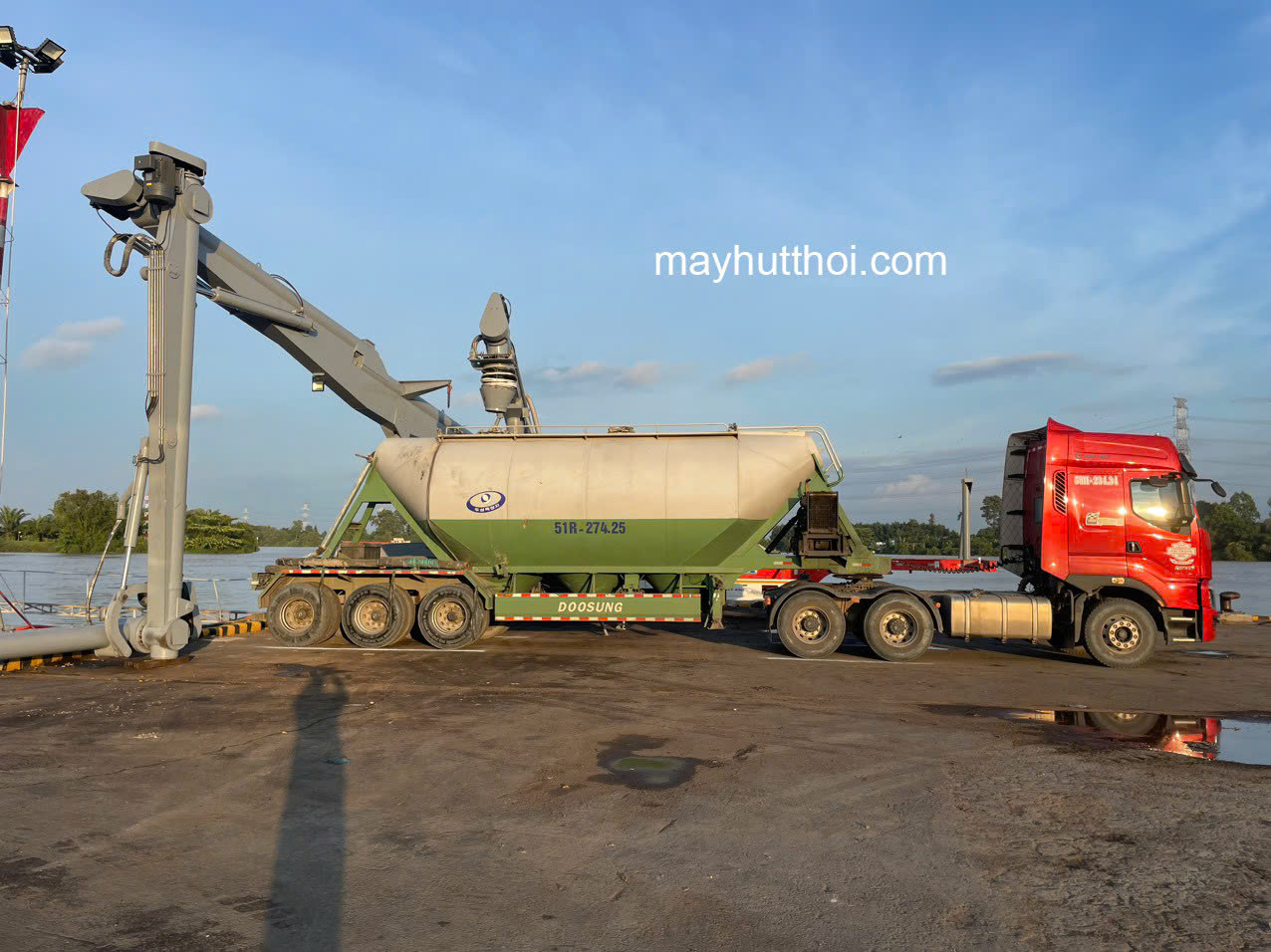
A cement ship unloader is responsible for removing bulk cement from the vessel and feeding it into the transfer process. Pneumatic cement ship unloaders are commonly considered for applications requiring enclosed material handling. Capacity, unloading method, operating conditions, and maintenance requirements should all be evaluated before selecting equipment.
The conveying section may include air compressors or blowers, pneumatic pumps, pipelines, control valves, and related accessories. These components work together to maintain the required conveying conditions and deliver cement to the storage facility.
A properly designed Cement Unloading Pipeline System should account for material flow, pressure losses, pipeline routing, and potential wear to support reliable operation.
Storage silos receive and hold cement until it is needed for production or distribution. Dust collection equipment helps capture airborne cement particles during unloading and silo filling. Integrating suitable filtration and monitoring components can improve housekeeping and reduce dust emissions around the terminal.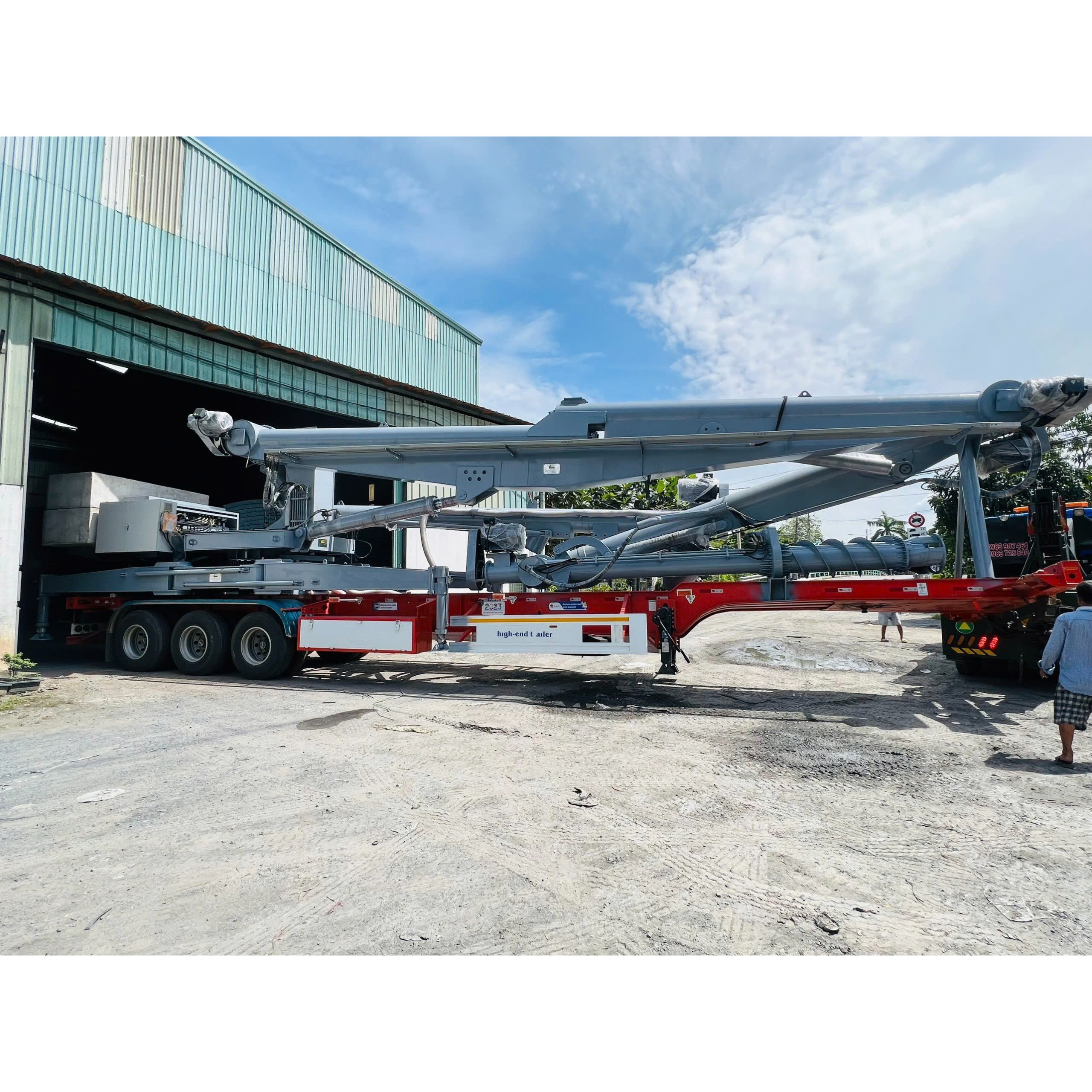
A well-designed High Capacity Cement Unloading System helps maintain consistent cargo movement from vessel to silo. Matching unloading equipment with conveying capacity and silo availability can reduce bottlenecks and improve overall terminal productivity.
Enclosed pipelines and suitable dust collection equipment help limit the release of cement powder during transfer. A dust-controlled system also supports cleaner working conditions and reduces material loss when properly designed and maintained.
Automated controls and coordinated equipment operation can reduce manual intervention and improve process consistency. An energy-efficient configuration may also help manage operating costs, depending on equipment selection, conveying distance, system utilization, and maintenance practices.
Ship-to-silo systems are suitable for bulk cement import terminals, seaports, cement distribution facilities, and industrial plants that receive cement by vessel. They can also support cement storage and supply operations serving concrete production facilities and construction material networks.
At large terminals, a Bulk Cement Terminal Handling System connects vessel unloading with storage and subsequent distribution. System capacity, silo arrangement, and conveying routes should be planned according to cargo volume, vessel schedules, site layout, and downstream demand.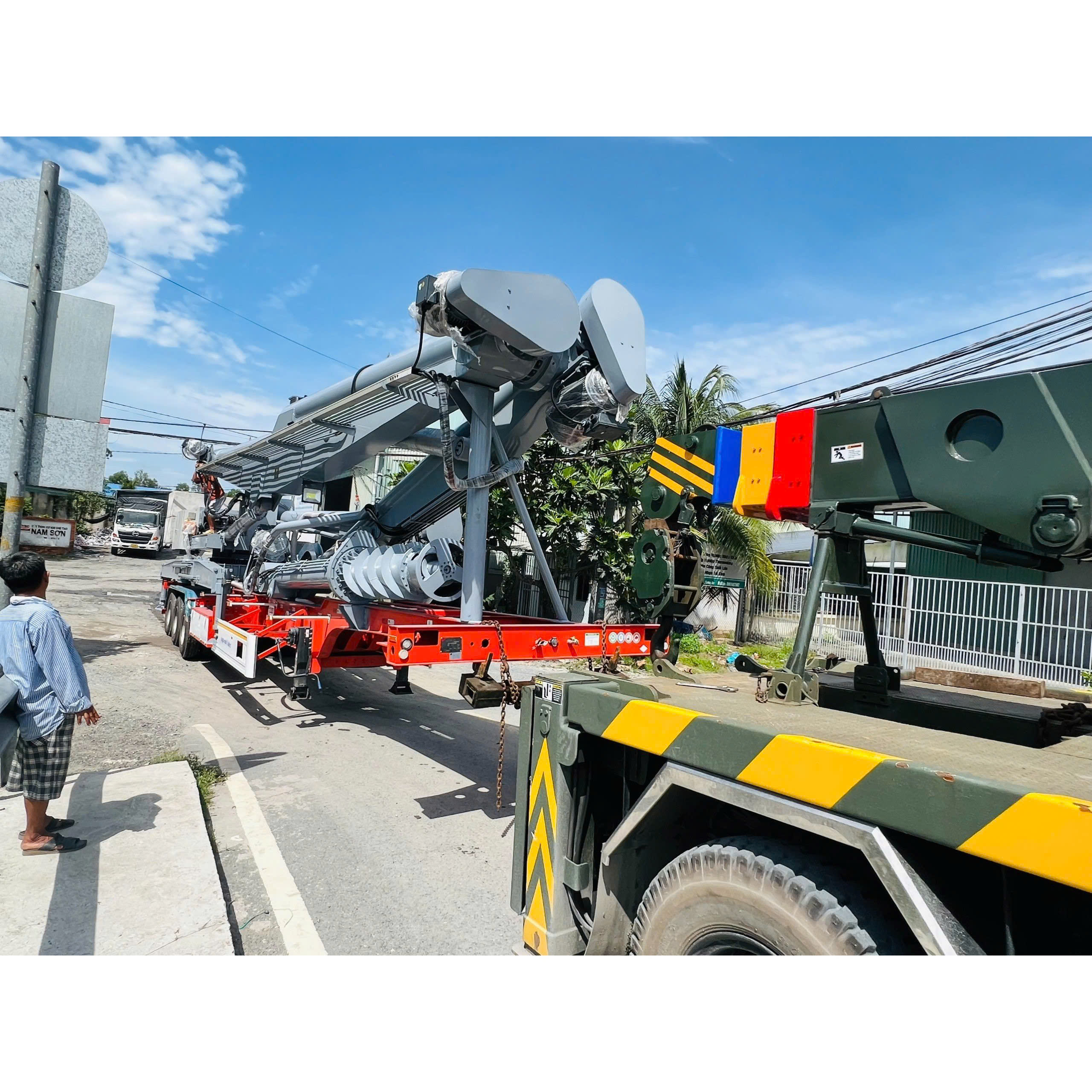
Determine the required unloading rate based on vessel size, cargo volume, and terminal operating schedules. The conveying system must be able to handle the expected material flow without creating bottlenecks between unloading and storage.
Evaluate the horizontal conveying distance, vertical elevation, pipeline routing, and available silo volume. These factors influence equipment sizing, pressure requirements, and the overall system configuration.
Consider local environmental regulations, dust emission requirements, and available installation space. The proposed system should integrate with existing silos, electrical controls, and material handling equipment where necessary.
Working with an experienced Cement Ship Unloader Manufacturer can help ensure that equipment selection and system design match actual project conditions. Request technical specifications, capacity calculations, layout drawings, and information about installation and after-sales support before making a decision.
Regular maintenance helps maintain stable performance and reduce unexpected downtime. Inspect conveying pipelines, valves, and connections for leakage, wear, or blockage. Check compressors, blowers, and pneumatic pumps according to the manufacturer's maintenance schedule.
The dust collection system and silo monitoring devices should also be inspected regularly. Monitoring operating pressure, airflow, and material transfer performance can help identify developing problems before they cause significant disruption.
A preventive maintenance program tailored to the equipment and operating conditions supports long-term reliability and more efficient bulk cement handling.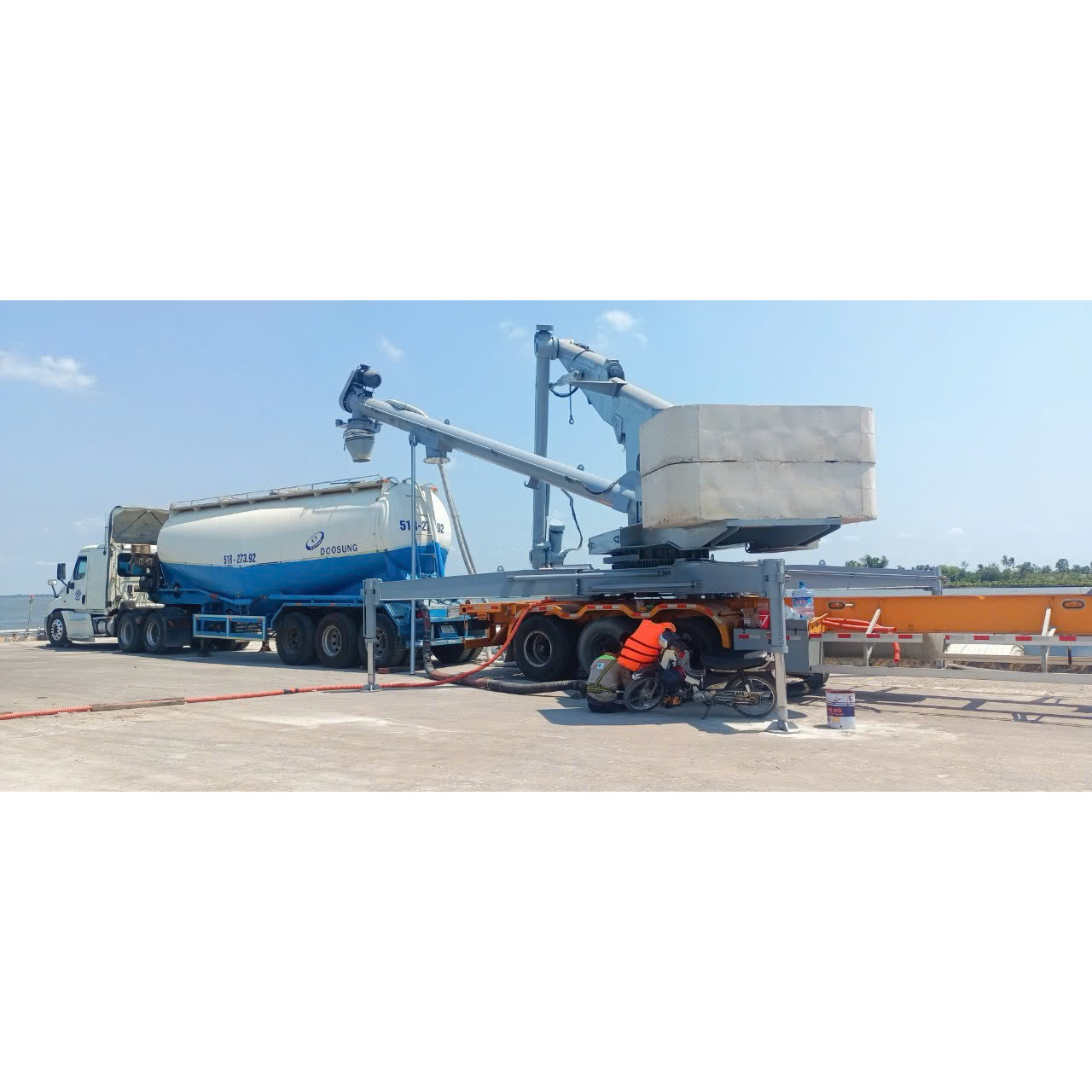
What Is the Working Principle of a Cement Ship Unloader?
A cement ship unloader extracts bulk cement from a vessel and transfers it to a receiving or conveying system. Depending on the design, pneumatic equipment can then transport the cement through enclosed pipelines to storage silos.
What Factors Affect Cement Unloading Capacity?
Unloading capacity depends on equipment design, conveying distance, pipeline configuration, cement characteristics, operating conditions, and the availability of sufficient silo storage capacity.
Can a Ship to Silo Cement System Be Customized?
Yes. System configuration can be adapted to project-specific requirements, including vessel size, required throughput, conveying distance, silo capacity, site layout, and environmental conditions.
How Can Dust Be Controlled During Cement Unloading?
Dust can be controlled through enclosed conveying pipelines, properly selected dust collectors, effective sealing, and suitable pressure management. Regular inspection and maintenance are essential to maintain performance.
A Ship to Silo Cement Unloading System for Efficient Bulk Cement Transfer integrates vessel unloading, pneumatic conveying, and silo storage into a coordinated material handling process. With appropriate equipment selection, effective dust control, and regular maintenance, cement terminals can improve unloading efficiency and maintain reliable bulk material operations.
Choosing a system based on actual capacity requirements, site conditions, and storage needs is essential for achieving long-term performance. Contact a qualified cement handling equipment supplier to discuss your project requirements and identify a suitable ship-to-silo solution.
✱ Website: mayhutthoi.com| namsonco.com
✱ Alibaba: dthson.trustpass.alibaba.com
✱ Facebook: facebook.com/NamSonPneumaticConveyor
✱ Zalo/Whatsapp:(+84) 949854582
✱ Email: mailan@namsonco.com | thanhson@namsonco.com
Looking for a Reliable Ship to Silo Cement Unloading System?
Contact our team today to discuss your project requirements and get a customized solution for efficient bulk cement transfer. We can help you select the right system based on unloading capacity, conveying distance, silo configuration, and site conditions. Get in touch with us for more information and a competitive quotation.


Copyright © 2016 Nhuamisa