
Hotline/Whatsapp: +84 949 854 582thanhson.namson@gmail.com


Efficient cargo loading and unloading are essential for maintaining productivity in modern port terminals. As global shipping and bulk commodity transportation continue to develop, ports require reliable machinery to handle large volumes of materials safely and efficiently. Port Bulk Handling Equipment plays a crucial role in these operations by connecting vessels, conveyor systems, storage areas, and transportation networks.
From port cranes and ship loaders to conveyor systems and stacker reclaimers, each piece of equipment contributes to a continuous cargo handling process. Investing in suitable bulk handling systems helps port operators improve operational efficiency, reduce material losses, and optimize overall terminal performance.
=>See more: What is a ship unloader? A complete guide to its function and applications
Port bulk handling equipment refers to specialized machinery and integrated systems used to load, unload, transport, and store bulk materials at seaports and marine terminals. Unlike container handling equipment, these systems are designed for loose materials such as coal, iron ore, grain, cement, and fertilizers.
Bulk cargo handling systems typically combine mechanical equipment, conveying technologies, and automated controls to move materials between ships and storage facilities. Their performance directly affects cargo handling capacity, vessel turnaround time, and port productivity.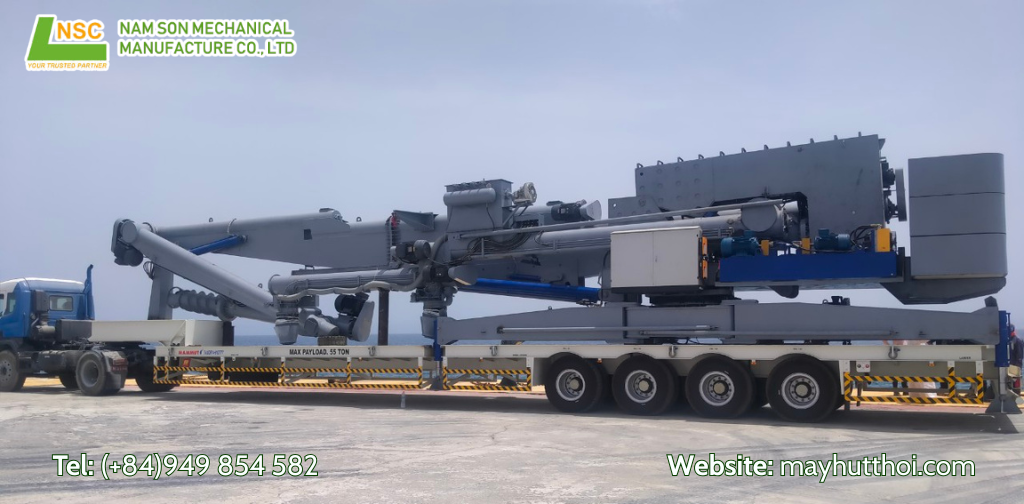
Modern ports use different types of equipment depending on cargo characteristics, handling capacity, and terminal layout.
Port cranes are essential lifting machines used to transfer bulk cargo between vessels and shore facilities. Common options include mobile harbor cranes, portal cranes, and gantry cranes. When equipped with grab buckets, these machines can handle loose materials such as coal, minerals, and grain.
Marine cargo handling cranes offer flexibility in different terminal environments, while heavy-duty bulk cargo cranes are designed for demanding loading and unloading operations.
Port conveyor systems provide continuous transportation of bulk materials between unloading equipment, stockyards, and loading facilities. Belt conveyors are widely used because they can move large quantities of materials over long distances with consistent performance.
Depending on terminal requirements, operators may also use radial stacker conveyors and telescopic conveyor systems to improve material distribution and transfer flexibility.
Ship loaders and ship unloaders are specialized machines designed to transfer bulk materials between vessels and shore-based handling systems. A bulk ship loader delivers materials from conveyor systems into vessel cargo holds, while a bulk ship unloader removes materials from ships for further transportation or storage.
These vessel loading and unloading systems are important components of modern dry bulk terminals, supporting efficient cargo movement and reducing unnecessary handling stages.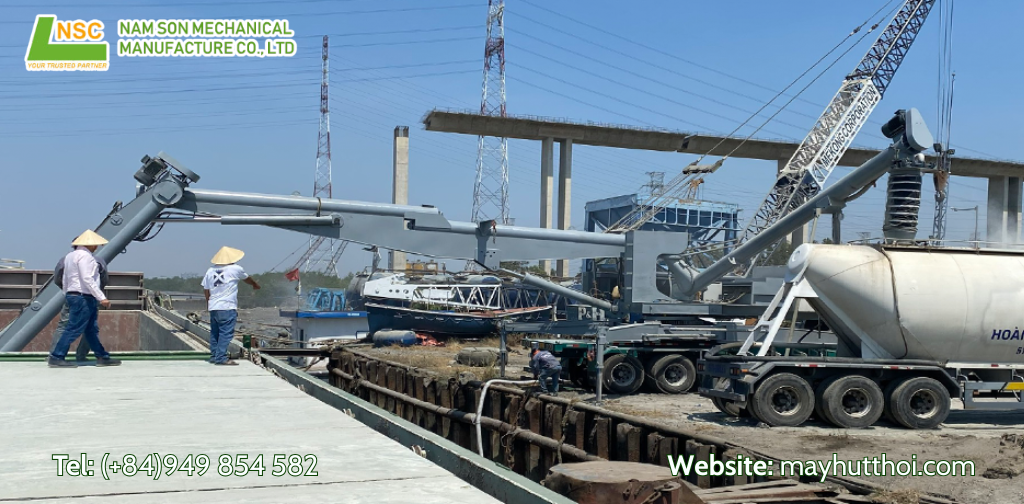
After unloading, bulk materials often need to be transported to designated storage areas before being shipped to their final destinations. Bulk storage systems and stockyard handling equipment help organize these operations.
Stacker and reclaimer equipment plays an important role in stockyard management. Stackers distribute materials into designated piles, while reclaimers retrieve stored materials and transfer them back to conveyor systems. These integrated material transfer systems support continuous cargo movement and improve storage utilization.
In addition to major machinery, several auxiliary components contribute to the reliability of port handling operations. Material handling hoppers receive cargo from unloading equipment, while bulk material feeders regulate the flow of materials into conveyor systems.
Other components include conveyor belts, idlers, rollers, drive systems, loading chutes, and grab buckets. Dust suppression systems are also important, particularly when handling coal, cement, grain, and other materials that may generate airborne particles.
Properly selected components help maintain stable material flow, reduce equipment downtime, and support safer working conditions.
Port bulk handling equipment serves a wide range of industrial and agricultural sectors. Coal and iron ore handling equipment is commonly used at ports supplying power plants, steel mills, and mining industries. These applications require durable machinery capable of handling heavy materials in demanding environments.
Grain handling equipment supports the transportation of agricultural commodities, while cement and fertilizer handling equipment is designed for materials that may require enclosed conveying or specialized storage conditions. Ports also use mineral handling equipment for limestone, bauxite, sand, gravel, and other industrial raw materials.
Selecting machinery based on cargo properties helps improve handling performance and minimize material loss.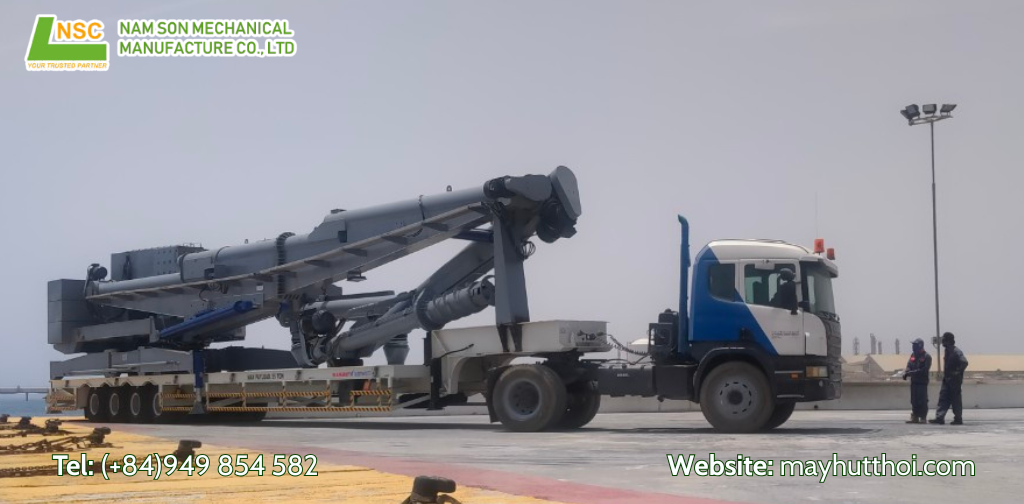
An integrated port cargo handling system connects ship unloading equipment, conveyors, storage facilities, and ship loading machinery into a coordinated workflow. Materials can move directly from vessels to stockyards or transportation facilities, reducing unnecessary transfers.
Automation further improves operational coordination through centralized monitoring, equipment controls, and process optimization. Automated port handling equipment can help operators manage material flow, identify operational issues, and maintain consistent performance.
When properly designed, these integrated systems improve terminal efficiency and support higher cargo handling capacity.
Several factors influence the performance of bulk handling equipment. Handling capacity, usually measured in tons per hour, is a primary consideration because it determines how much cargo a system can process within a given period.
Energy efficiency, equipment durability, maintenance requirements, and compatibility with existing infrastructure are equally important. Port operators should also consider environmental performance, particularly dust control and material containment.
Customized bulk handling solutions can address specific terminal layouts, cargo characteristics, and operational requirements, helping businesses achieve more efficient long-term performance.
Choosing the right bulk handling equipment manufacturer is an important step in developing an efficient port terminal. Buyers should evaluate the manufacturer's production capabilities, engineering experience, product quality, and ability to provide customized equipment.
A reliable bulk handling equipment supplier should also offer technical consultation, installation support, spare parts, and maintenance services. In addition, buyers should compare equipment specifications, operating costs, delivery schedules, and warranty conditions before making a purchasing decision.
Working with an experienced manufacturer helps ensure that the selected equipment meets operational requirements and supports long-term port productivity.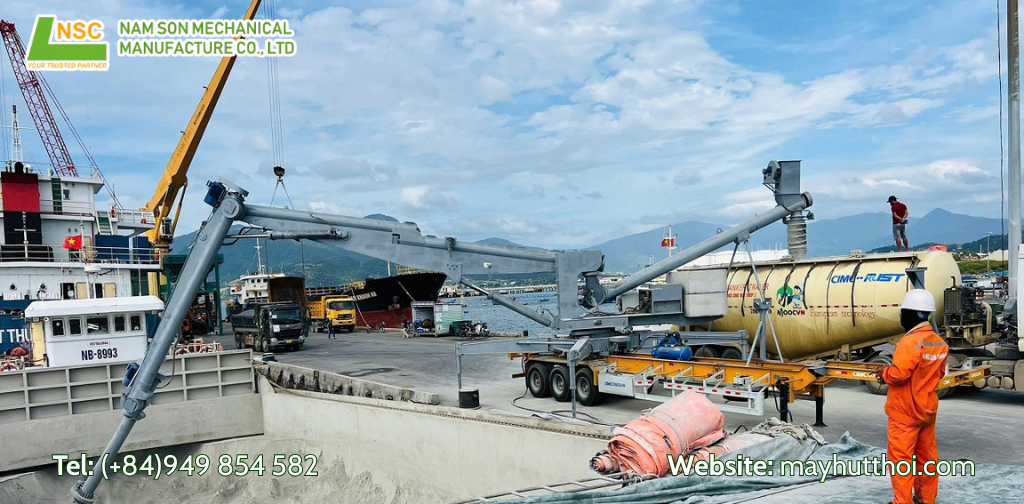
What Is Port Bulk Handling Equipment Used For?
It is used to load, unload, transport, and store loose bulk materials such as coal, grain, iron ore, cement, and fertilizers at port terminals.
What Are the Main Types of Bulk Handling Equipment Used in Ports?
Common equipment includes port cranes, ship loaders, ship unloaders, belt conveyor systems, hoppers, feeders, and stacker reclaimers.
What Factors Affect the Cost of Bulk Handling Equipment?
The price depends on equipment capacity, technical specifications, material characteristics, automation level, customization requirements, and installation conditions.
Port bulk handling equipment is fundamental to efficient cargo loading and unloading operations. From cranes and conveyor systems to ship loaders, unloaders, and stockyard machinery, each component contributes to reliable material transportation and terminal productivity.
By selecting suitable equipment and integrating different handling systems, port operators can improve cargo movement, optimize operating costs, and support long-term operational efficiency. Choosing an experienced manufacturer is equally important for obtaining reliable machinery and solutions tailored to specific port requirements.
Looking for Reliable Port Bulk Handling Equipment?
Contact our team today to explore customized bulk handling solutions for your port operations. Get professional consultation, detailed equipment specifications, and a quotation tailored to your cargo handling requirements
° Website: mayhutthoi.com| namsonco.com
° Alibaba: dthson.trustpass.alibaba.com
° Facebook: facebook.com/NamSonPneumaticConveyor
° Zalo/Whatsapp: (+84) 949854582
° Email: mailan@namsonco.com | thanhson@namsonco.com


Copyright © 2016 Nhuamisa