
Hotline/Whatsapp: +84 949 854 582thanhson.namson@gmail.com


A pneumatic cement conveying system is an efficient solution for transferring bulk cement through enclosed pipelines using controlled air pressure. It helps cement plants, terminals, storage facilities, and concrete production sites move dry cement safely while reducing dust, material loss, and manual handling requirements.
Compared with conventional mechanical conveyors, a pneumatic system offers greater flexibility in plant layout and can transport cement across horizontal and vertical distances. With the right system design, businesses can achieve continuous material flow, stable conveying performance, and reliable cement transfer throughout the production process.
A pneumatic cement conveying system is a type of industrial material handling equipment designed to move cement powder through a closed pipeline. The system uses compressed air or pressure differences to transport cement from a feeding point to a receiving silo, storage tank, mixer, or processing unit.
This type of cement conveying equipment is commonly used when dust control, automated operation, and flexible installation are important. Because the cement is transported inside a sealed conveying line, the system can help maintain a cleaner working environment and reduce material leakage.
Depending on the required capacity, conveying distance, and material characteristics, the system may use positive pressure, vacuum conveying, dense-phase conveying, or dilute-phase conveying technology.
=>See more: Top 5 applications of cement pneumatic conveyors in modern cement plants

The operating process begins when cement is fed into a conveying vessel or feeding unit. A blower or compressed-air source then generates the pressure required to move the material through the cement conveying pipeline.
The air stream carries the cement through the pneumatic conveying pipe until it reaches the receiving point. At the end of the conveying line, the cement is separated from the air and discharged into a cement silo, storage tank, batching system, or other processing equipment.
The basic conveying process includes cement feeding, air generation, pipeline transportation, material separation, and final discharge. Automated control systems can monitor pressure, flow rate, and operating conditions to support stable and continuous cement transfer.
A complete cement pneumatic conveying system includes several components that work together to maintain efficient material flow.
The cement feeding unit controls how cement enters the system. Depending on the design, it may include a rotary airlock valve, hopper, pressure vessel, or other feeding equipment. Accurate feeding is important because inconsistent material input may affect conveying efficiency.
The air supply equipment provides the pressure or airflow required to move cement. A Roots blower, air compressor, or other industrial blower may be selected according to the conveying capacity and operating pressure.
The conveying pipeline transports cement between the source and destination. Pipeline diameter, length, routing, and the number of bends should be carefully considered during system design to reduce pressure loss and material buildup.
The receiving unit separates cement from the conveying air and directs the material into a storage silo or processing system. Filters may also be installed to control dust and maintain clean air during operation.
Pneumatic conveying systems can be configured using different operating principles based on the required application.
A positive-pressure system uses compressed air to push cement through the pipeline. It is suitable for transferring cement from one feeding point to one or multiple receiving locations. This solution is often used for high-capacity and long-distance cement conveying applications.
A vacuum conveying system creates negative pressure to pull cement through the pipeline. It can be useful when material must be collected from multiple locations and transferred to a central receiving point. Vacuum conveying also supports enclosed material handling and effective dust control.
Dense-phase conveying moves cement at a relatively lower air velocity and higher material concentration. This method can support controlled transport and may reduce pipeline wear and energy consumption when properly designed.
Dilute-phase conveying uses a higher air velocity to keep cement particles suspended during transportation. It is suitable for applications that require continuous material movement and relatively simple conveying system configurations.
A well-designed pneumatic conveying solution provides several operational advantages for industrial cement handling.
An automated system can provide a stable material flow between storage, processing, and production stages. By reducing manual handling, businesses can improve operational consistency and support continuous production.
The enclosed pipeline design helps limit cement exposure to the surrounding environment. This supports cleaner working conditions and can reduce material leakage during transfer.
Unlike some mechanical conveying equipment, pneumatic pipelines can be routed around existing machinery and through complex production areas. This flexibility is useful when space is limited or when cement must be transferred across different elevations.
Modern control systems can regulate pressure, material flow, and operating sequences. Automation may reduce labor requirements and help operators monitor the performance of the complete cement handling system.
A pneumatic cement conveyor can be used in many industrial applications where bulk cement must be transferred efficiently.
In cement manufacturing plants, the system can transport cement between grinding, storage, processing, and packing areas. It can also support cement production lines that require continuous material flow.
At cement terminals and storage facilities, pneumatic conveying equipment can transfer bulk cement between receiving stations, storage silos, and loading systems. The enclosed design is particularly useful for controlling dust in high-volume handling operations.
Concrete batching plants and ready-mix concrete facilities can use pneumatic conveying systems to transfer cement from storage silos to weighing units or mixers. Accurate and reliable material delivery supports consistent concrete production.
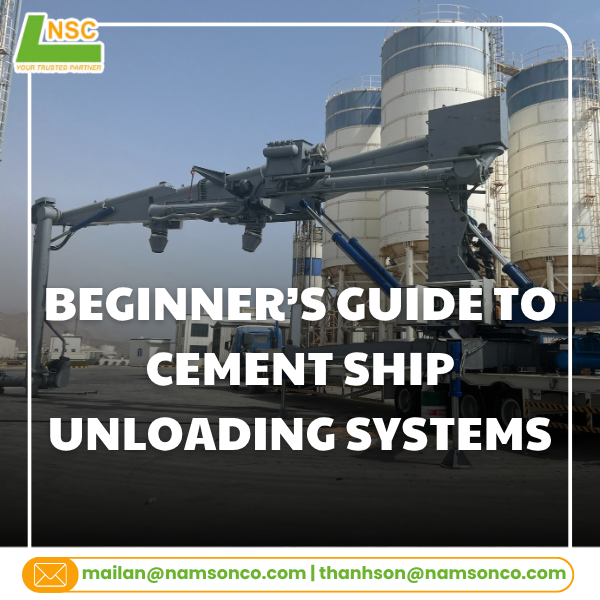
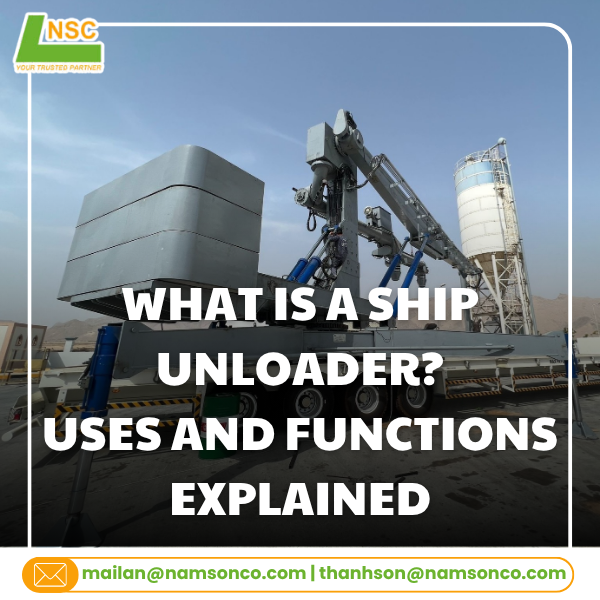
Pneumatic conveying technology may also be integrated into cement port facilities, ship unloading systems, and bulk cement truck loading or unloading operations.
Selecting the right system requires an evaluation of several technical and operational factors.
The required cement conveying capacity determines the size and configuration of the feeding equipment, air supply system, and conveying pipeline. The expected conveying rate should be based on production requirements and future capacity needs.
Conveying distance and plant layout are also important. Longer pipelines and complex routing may require additional pressure and careful system calculations. Pipeline diameter and the number of bends can directly affect pressure loss and conveying performance.
Material properties should also be considered. Cement particle size, bulk density, moisture content, and flow behavior can influence the selection of the conveying method and operating conditions.
Energy consumption is another key factor. A properly sized system can provide efficient operation while avoiding excessive air use. For this reason, pneumatic conveying system design should be based on actual operating requirements rather than using a standard configuration.
Pneumatic and mechanical conveying systems both support bulk cement transfer, but they operate differently.
Pneumatic conveying uses air pressure and enclosed pipelines, providing greater routing flexibility and improved dust control. It can be suitable for long-distance transfer and complex plant layouts.
Mechanical conveying systems, such as screw conveyors and bucket elevators, use moving mechanical components to transport cement. These systems may be effective for specific transfer routes but can require more installation space and additional maintenance points.
The best solution depends on the required capacity, conveying distance, available space, dust-control requirements, and overall plant design.
Every production facility has different requirements for capacity, layout, material flow, and automation. A customized pneumatic cement conveying system can be designed to match the specific operating conditions of the plant.
A complete solution may include cement feeding equipment, pressure vessels, blowers, conveying pipelines, receiving systems, filters, and automated controls. Proper system integration helps improve operational reliability and supports efficient cement handling from the source to the final destination.
Working with an experienced pneumatic cement conveying system manufacturer also helps ensure that equipment selection and technical specifications are aligned with the intended application.
What Is a Pneumatic Cement Conveying System?
It is an industrial system that uses compressed air or pressure differences to transfer cement powder through enclosed pipelines.
How Does a Pneumatic Cement Conveying System Work?
Cement is fed into the conveying system and transported through a pipeline using controlled airflow or air pressure. The material is then separated from the air and discharged at the receiving location.
How Far Can Cement Be Conveyed Pneumatically?
The conveying distance depends on system capacity, pipeline design, operating pressure, material properties, and the selected conveying technology.
How Can Dust Be Reduced During Cement Conveying?
An enclosed pipeline, properly designed receiving equipment, and effective filtration can help reduce dust emissions during cement transfer.
What Is the Difference Between Dense-Phase and Dilute-Phase Conveying?
Dense-phase conveying moves a higher concentration of material at lower air velocity, while dilute-phase conveying uses higher air velocity to keep cement particles suspended during transport.
A reliable pneumatic cement conveying system can improve cement transfer efficiency by providing enclosed, automated, and flexible material handling. With the right conveying capacity, pipeline configuration, air supply, and control system, businesses can reduce dust, support continuous production, and optimize cement movement across the facility.
For the best results, the system should be customized according to the required conveying distance, material characteristics, plant layout, and production capacity. A properly engineered solution can provide reliable performance and long-term value for cement plants, terminals, storage facilities, and concrete production operations.
Looking for an efficient solution to improve cement transfer in your facility? Contact our team today to discuss your required conveying capacity, transfer distance, plant layout, and technical specifications. We provide customized pneumatic cement conveying solutions designed to support reliable operation, efficient material handling, and long-term performance.
Contact us now to get professional consultation and a customized solution for your cement conveying project.
° Website: mayhutthoi.com| namsonco.com
° Alibaba: dthson.trustpass.alibaba.com
° Facebook: facebook.com/NamSonPneumaticConveyor
° Zalo/Whatsapp: (+84) 949854582
° Email: mailan@namsonco.com | thanhson@namsonco.com


Copyright © 2016 Nhuamisa