
Hotline/Whatsapp: +84 949 854 582thanhson.namson@gmail.com


=>See more: What is a ship unloader? A complete guide to its function and applications
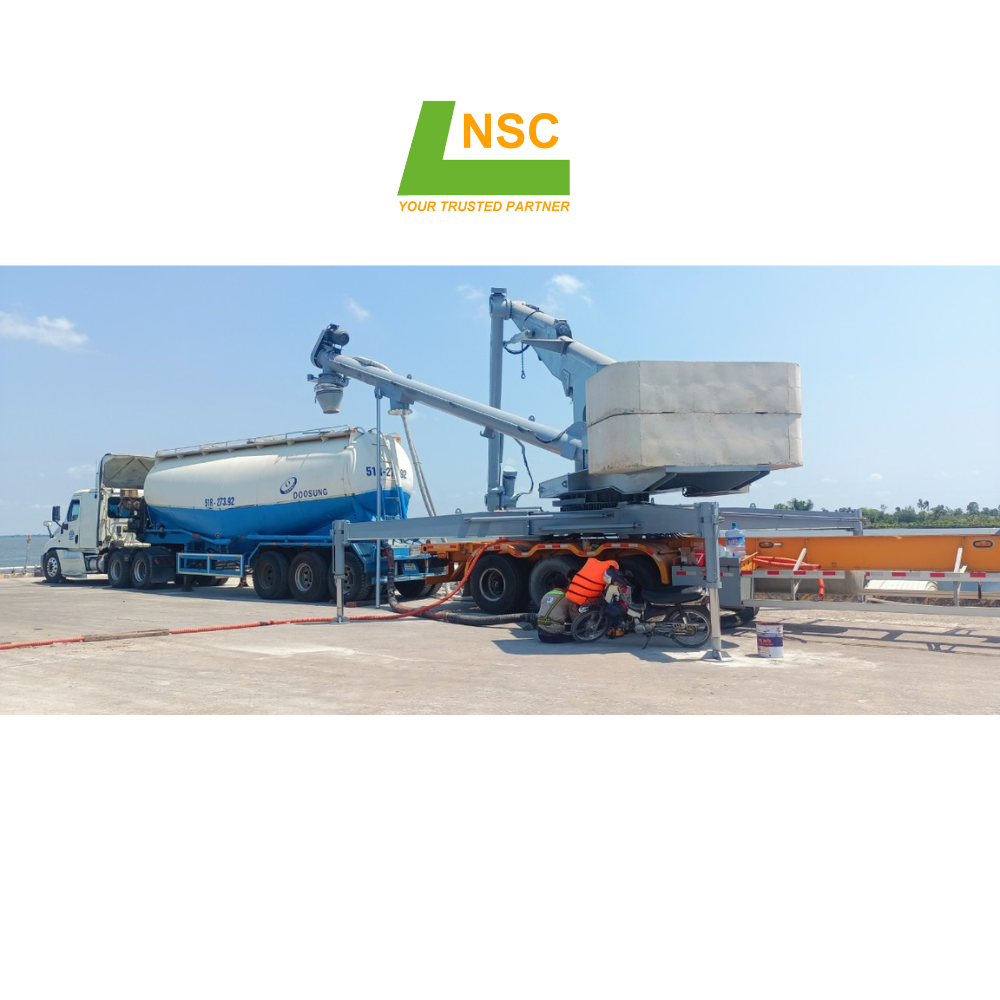
The operating principle of a vacuum cement unloader is based on negative air pressure generated by a high-performance vacuum pump. Once the equipment is connected to the vessel, the system creates suction that draws cement powder through specially designed suction nozzles into the conveying line.
The material then travels through a sealed conveying pipeline, ensuring that cement remains fully enclosed throughout the transportation process. This eliminates the large dust clouds commonly associated with open mechanical unloading methods and helps preserve valuable product.
As the cement reaches the receiving unit, a high-efficiency separator separates the cement particles from the conveying air. The cleaned air continues through the filtration system while the collected cement is discharged through a precision-controlled discharge valve into downstream conveying equipment or directly into storage silos.
This continuous vacuum conveying cycle allows uninterrupted unloading with minimal manual intervention. Depending on the system configuration, operators can maintain stable conveying rates throughout the unloading process, improving vessel turnaround time and overall terminal productivity.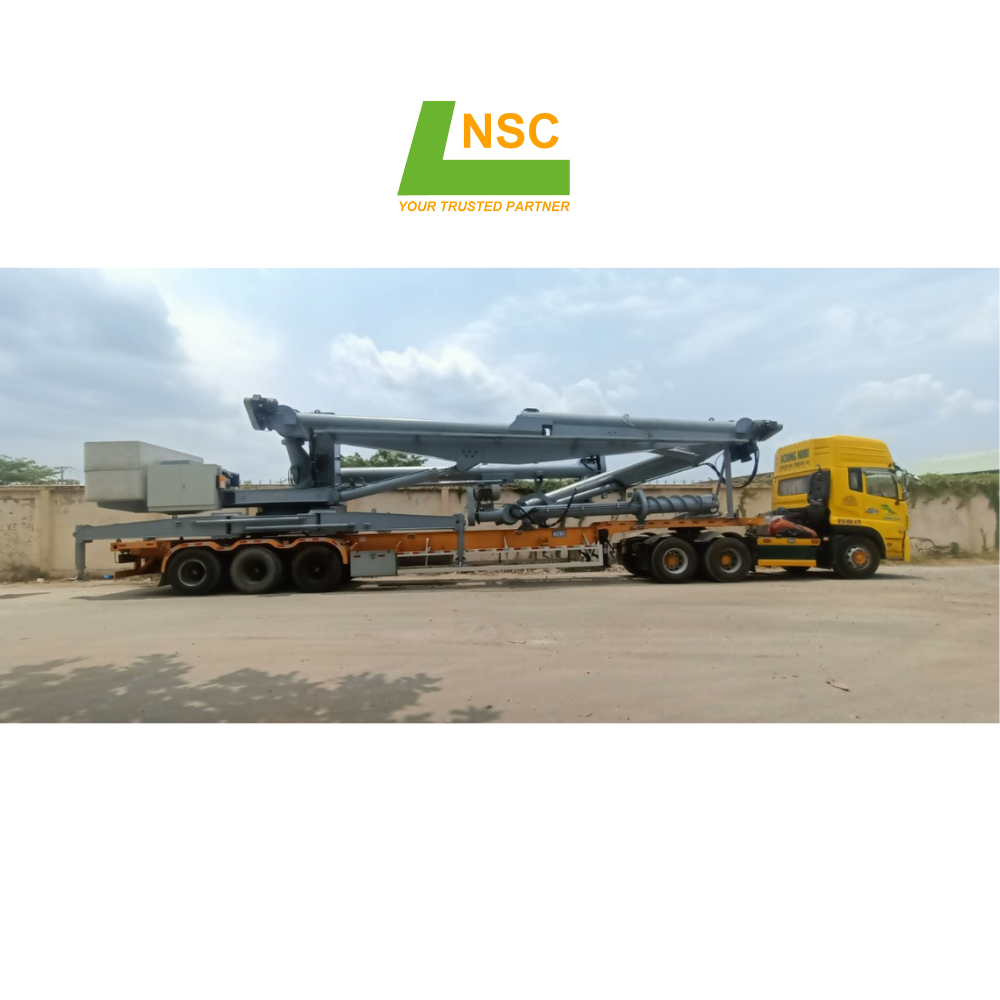
Every industrial vacuum cement unloader consists of several integrated components designed to ensure reliable and efficient bulk cement transfer.
The blower system generates the airflow required to maintain stable vacuum pressure during operation. Together with the vacuum pump, it forms the driving force behind the conveying process.
A high-performance cyclone separator removes the majority of cement particles from the conveying air before final filtration. This protects downstream equipment while maintaining high material recovery efficiency.
Heavy-duty unloading hoses provide flexible connections between the vessel and the vacuum conveying system. Their wear-resistant construction ensures long service life even under continuous operation in demanding port environments.
Inside the conveying network, specially engineered conveying pipes transport cement smoothly while minimizing friction losses and reducing the risk of pipeline blockage.
Modern systems also integrate an advanced automatic control system, allowing operators to monitor vacuum pressure, conveying capacity, airflow, equipment status, and system alarms in real time. Automated control not only improves operational safety but also optimizes energy consumption and reduces maintenance requirements.
By combining these components into a fully integrated solution, an industrial vacuum cement unloader delivers reliable performance, high unloading efficiency, and consistent operation across a wide range of port and terminal applications.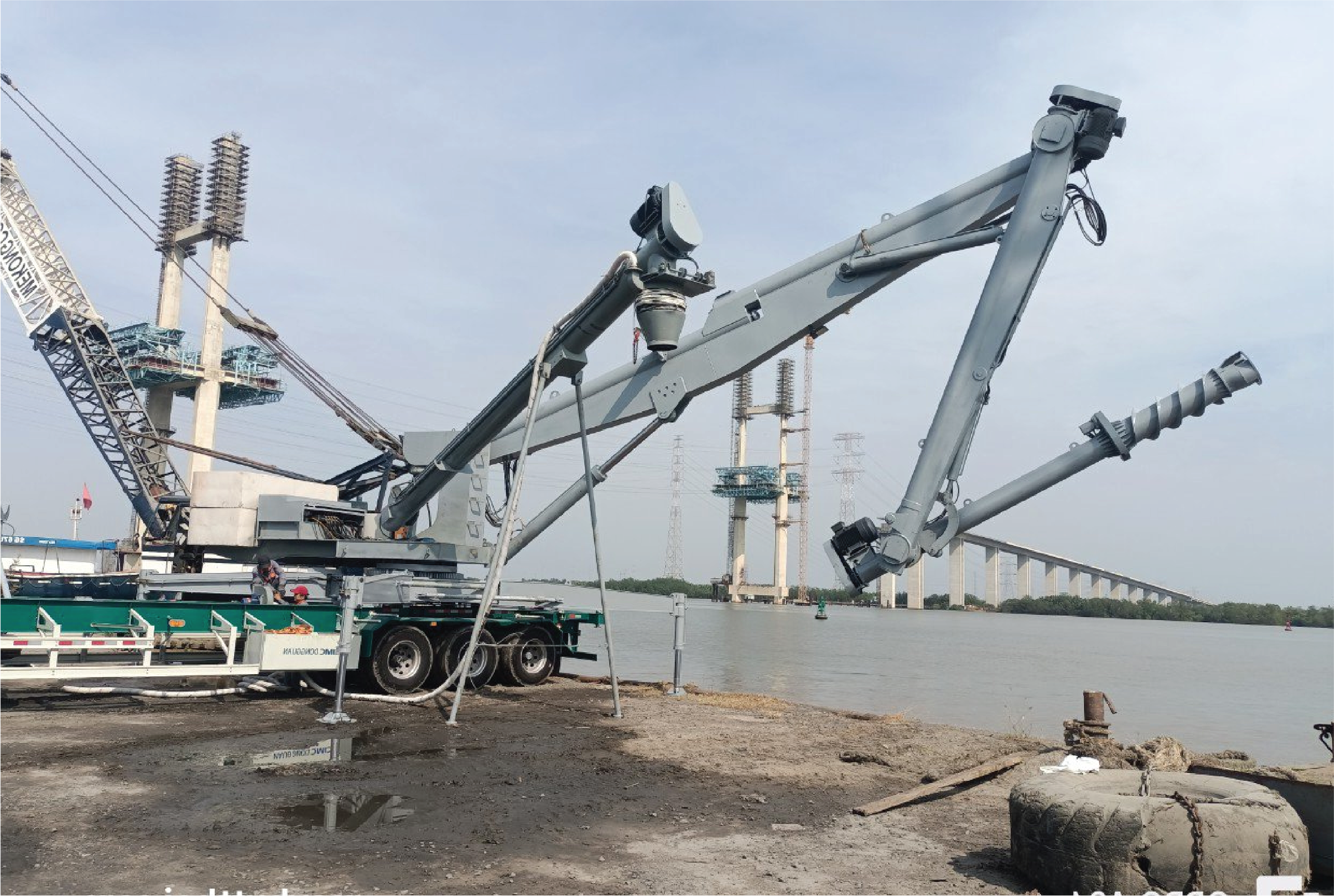
In today's competitive bulk material handling industry, investing in an industrial vacuum cement unloader is a practical way for ports and terminals to improve operational efficiency while meeting increasingly stringent environmental standards. By combining advanced vacuum conveying technology with a fully enclosed cement unloading system, operators can achieve faster vessel turnaround, reduce dust emissions, minimize material loss, and lower long-term operating costs.
Whether handling large-scale cement imports or supporting continuous production at manufacturing facilities, a modern bulk cement unloader delivers reliable performance, high unloading capacity, and seamless integration with existing cement storage silo systems. Its automated operation, low maintenance requirements, and adaptability to various terminal layouts make it an ideal solution for modern port bulk handling applications.
If you are looking for a dependable vacuum cement unloader manufacturer capable of delivering customized and turnkey solutions, choosing equipment designed for your specific operational requirements will maximize productivity, ensure regulatory compliance, and provide long-term value for your port or terminal operations. By adopting the right industrial cement unloading solution, businesses can build a safer, cleaner, and more efficient bulk cement handling system that supports sustainable growth for years to come.
Looking for a reliable vacuum cement unloader tailored to your port or terminal operations? Our engineering team provides customized solutions designed to maximize unloading efficiency, minimize dust emissions, and integrate seamlessly with your existing cement storage system. Whether you need a complete turnkey project or OEM manufacturing services, we are ready to help you select the ideal solution for your application.


Copyright © 2016 Nhuamisa