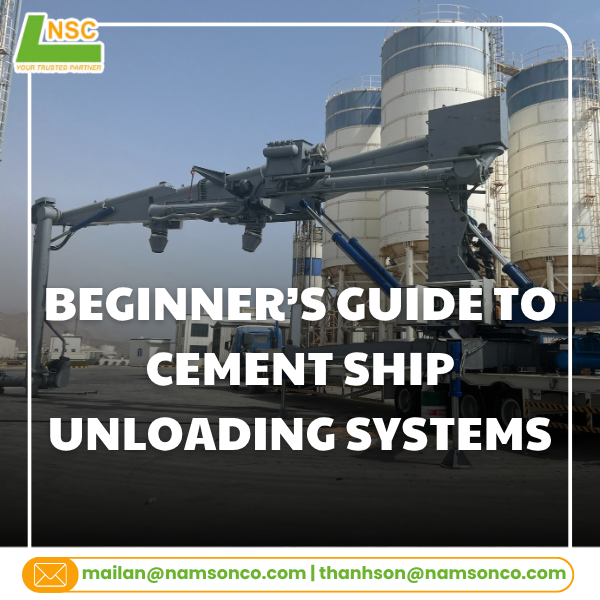
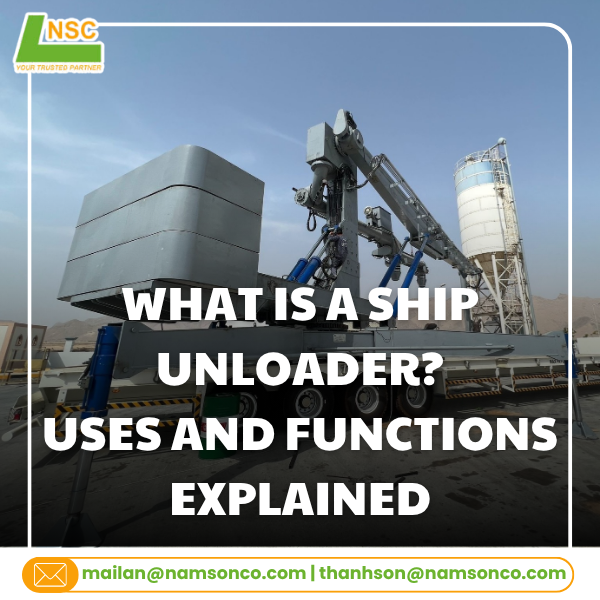
Industrial pneumatic conveying equipment is the ideal solution for efficient bulk powder transfer in cement and dry material industries. With a fully enclosed and automated conveying system, businesses can significantly reduce dust emissions, improve operational efficiency, and ensure safe material handling. This advanced technology is widely adopted in modern cement handling systems to optimize productivity and minimize maintenance costs.
Introduction
In modern industrial production, especially in cement and dry bulk material processing, efficient and clean material handling plays a critical role in overall productivity. Industrial pneumatic conveying equipment has become a preferred solution for bulk powder transfer thanks to its ability to transport materials in a fully enclosed and automated manner. Compared to traditional mechanical systems, a pneumatic conveying system offers superior performance in maintaining cleanliness, reducing material loss, and improving operational safety.
As industries continue to move toward automation and environmental compliance, the demand for advanced bulk material conveying systems is rapidly increasing. A well-designed dust-free conveying solution not only enhances production efficiency but also ensures compliance with strict environmental standards, making it an essential component in modern cement handling operations.
=>See more: Top 5 applications of cement pneumatic conveyors in modern cement plants
What Is a Pneumatic Conveying System?
A pneumatic conveying system is an advanced air conveying system designed to transport powder and granular materials through pipelines using controlled airflow. In a typical powder conveying system, materials are introduced into a moving air stream and carried through a closed conveying pipe system to the desired destination. This method allows for efficient and continuous material transfer with minimal contamination.
There are several types of pneumatic conveying systems depending on operational requirements. The dilute phase conveying system uses high air velocity to suspend and transport lighter materials, while dense phase pneumatic conveying operates at lower speeds, making it ideal for abrasive or fragile materials such as cement. In addition, a vacuum conveying system uses negative pressure to move materials, which is particularly suitable for applications requiring high levels of cleanliness and containment.
Key Components of the System
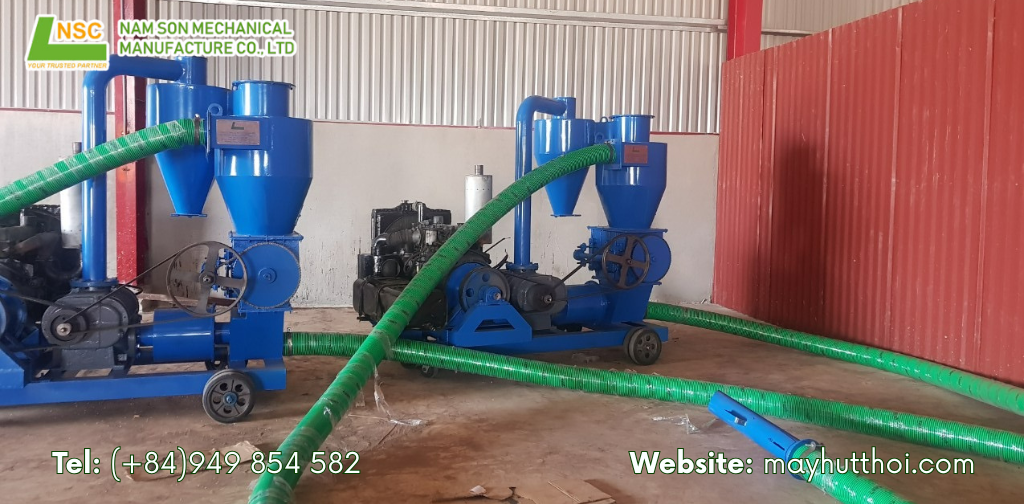
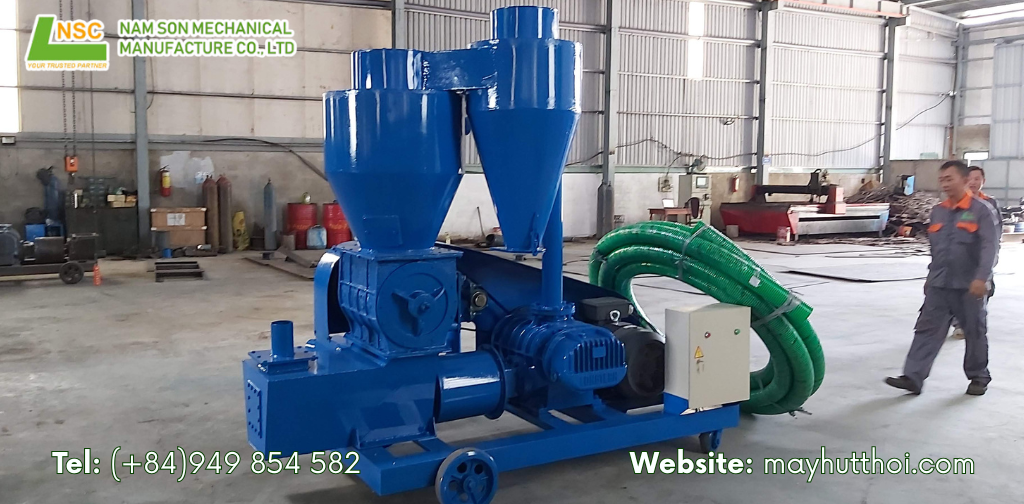
An industrial pneumatic conveying equipment setup consists of multiple integrated components working together to ensure smooth and efficient operation. The process typically begins with a rotary valve feeder, which regulates the flow of material into the system, while an airlock valve maintains pressure stability and prevents air leakage. A roots blower generates the necessary airflow to move materials through the pipeline, ensuring consistent conveying performance.
As the material travels through the conveying pipe system, a cyclone separator is used to separate solids from the air stream at the discharge point. To further enhance environmental protection, a dust collector captures fine particles and prevents them from escaping into the atmosphere. The coordination of these components ensures that the system operates efficiently, safely, and with minimal maintenance requirements.
Applications in Cement and Bulk Powder Industry
Industrial pneumatic conveying equipment is widely used across various sectors, with the cement industry being one of its most prominent applications. A cement pneumatic conveying system is essential for transporting materials such as cement powder from storage silos to production or packaging areas. This significantly improves efficiency in cement handling systems by minimizing manual handling and reducing downtime.
In addition to cement, pneumatic systems are extensively applied in fly ash conveying systems, lime powder conveying processes, and other bulk solids handling systems. These applications highlight the versatility of pneumatic conveying technology in handling a wide range of dry bulk materials while maintaining consistent performance and reliability.
Key Benefits
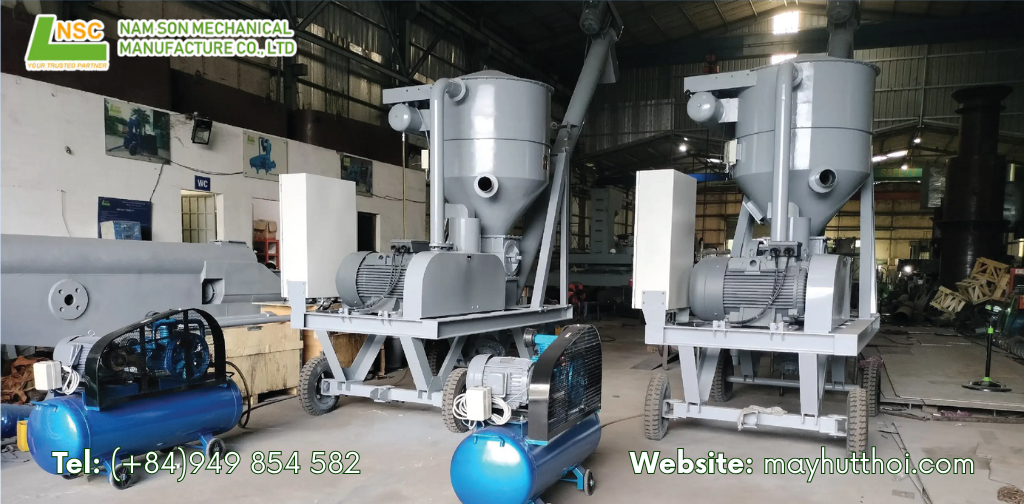
One of the primary advantages of a pneumatic conveying system is its ability to operate as a dust-free conveying system, which is crucial for maintaining a clean and safe working environment. Because the system functions as an enclosed conveying system, it prevents material leakage and contamination, ensuring product quality throughout the transfer process.
Furthermore, modern systems are designed as energy efficient conveying systems, optimizing airflow and pressure to reduce energy consumption. The use of low maintenance conveying equipment also minimizes downtime and operational costs. Another key benefit is the capability for long distance pneumatic conveying, allowing materials to be transported across large industrial facilities without the need for complex mechanical infrastructure.
System Design and Technical Factors
The performance of a pneumatic conveying system depends heavily on precise engineering and system design. Key technical considerations include conveying capacity calculation, which determines the volume of material that can be transported within a given time frame, and airflow rate calculation, which ensures that sufficient air velocity is maintained to move materials effectively.
Pipeline diameter design is another critical factor, as it directly impacts system efficiency and pressure requirements. Engineers must also account for system pressure drop to avoid energy losses and ensure consistent operation. To achieve optimal performance, many manufacturers offer custom pneumatic conveying systems tailored to specific materials, production capacities, and plant layouts.
Why Choose a Reliable Supplier
Selecting the right pneumatic conveying equipment supplier is essential for ensuring long-term system reliability and efficiency. An experienced conveying system manufacturer not only provides high-quality equipment but also delivers comprehensive turnkey conveying solutions, covering everything from design and engineering to installation and commissioning.
A reliable supplier will also offer professional pneumatic system installation services, along with ongoing technical support and maintenance. This level of expertise is particularly important in cement handling systems, where operational efficiency and system durability directly impact production output and profitability.
Conclusion
Industrial pneumatic conveying equipment has become an indispensable solution for bulk powder transfer in the cement industry and beyond. With its ability to deliver clean, efficient, and automated material handling, it significantly improves operational performance while reducing environmental impact. For businesses seeking a high efficiency cement handling system supplier, investing in a well-designed pneumatic conveying system is a strategic decision that ensures long-term productivity and cost savings.
If you are looking to optimize your material handling process, now is the time to partner with a trusted supplier who can deliver a customized pneumatic conveying solution tailored to your specific needs. Contact us today to explore how our advanced systems can enhance your production efficiency and support your business growth.
Contact us
Looking for a reliable industrial pneumatic conveying equipment supplier?
Contact us today for a customized solution, expert consultation, and competitive pricing tailored to your cement handling and bulk powder transfer needs.
✱ Website: mayhutthoi.com|
namsonco.com✱ Alibaba: dthson.trustpass.alibaba.com✱ Facebook: facebook.com/NamSonPneumaticConveyor✱ Zalo/Whatsapp:(+84) 949854582
✱ Email: mailan@namsonco.com | thanhson@namsonco.com