
Hotline/Whatsapp: +84 949 854 582thanhson.namson@gmail.com


The cement industry relies on efficient material handling to maintain productivity, reduce operational costs, and meet increasingly strict environmental regulations. Traditional methods of transporting cement often generate excessive dust, material loss, and higher maintenance requirements. As manufacturers continue to modernize their production facilities, investing in an industrial pneumatic cement conveying system has become an effective solution for achieving cleaner and more efficient operations.
A modern pneumatic cement conveying system is specifically designed to transport dry cement through enclosed pipelines using compressed air. Compared with conventional conveying methods, this technology provides superior dust control, minimizes product contamination, and supports fully automated production lines. Whether used in a cement manufacturing plant, concrete batching facility, or bulk material handling terminal, pneumatic conveying ensures continuous and reliable material transfer while improving workplace safety.
As global demand for cement continues to increase, manufacturers are under pressure to improve production efficiency while reducing environmental impact. Conventional material handling methods often expose cement to open air during transportation, resulting in dust emissions, product waste, and additional cleaning costs. These challenges not only affect operational efficiency but also create safety risks for workers.
Modern cement plant equipment is increasingly integrated with automated conveying technologies to optimize every stage of production. A well-designed cement production equipment layout enables seamless movement of raw materials and finished cement throughout the plant. By incorporating an advanced cement manufacturing system, producers can minimize manual handling and achieve consistent production quality.
Industrial facilities also benefit from improved industrial material handling solutions that simplify material transportation between silos, mills, and packaging lines. Automated industrial conveying equipment reduces labor dependency while increasing production capacity. In large-scale factories, advanced factory automation allows operators to monitor conveying performance in real time, improving system reliability and reducing downtime.
Furthermore, stricter environmental regulations have encouraged companies to replace traditional conveyors with enclosed systems that support cleaner production. Investing in reliable material transport equipment not only improves operational performance but also helps companies comply with workplace safety and environmental standards.
An industrial pneumatic cement conveying system is a closed-loop transportation solution that moves powdered cement through pipelines using compressed air. Instead of relying on belts or mechanical conveyors, a pneumatic conveying system delivers materials quickly, efficiently, and without exposing them to the surrounding environment.
The system consists of several integrated components working together to ensure continuous material flow. A high-performance pneumatic conveyor transports cement through an enclosed pneumatic conveying line, while specialized pneumatic conveying equipment regulates air pressure and material velocity. Depending on plant requirements, engineers may configure the system as a customized pneumatic conveying solution capable of handling different conveying distances and production capacities.
Modern industrial conveyor systems are designed to operate automatically with minimal human intervention. Advanced sensors and control units continuously monitor system performance, allowing operators to optimize conveying efficiency and reduce energy consumption. As a result, automated conveying has become a preferred choice for cement manufacturers seeking higher productivity and cleaner operations.
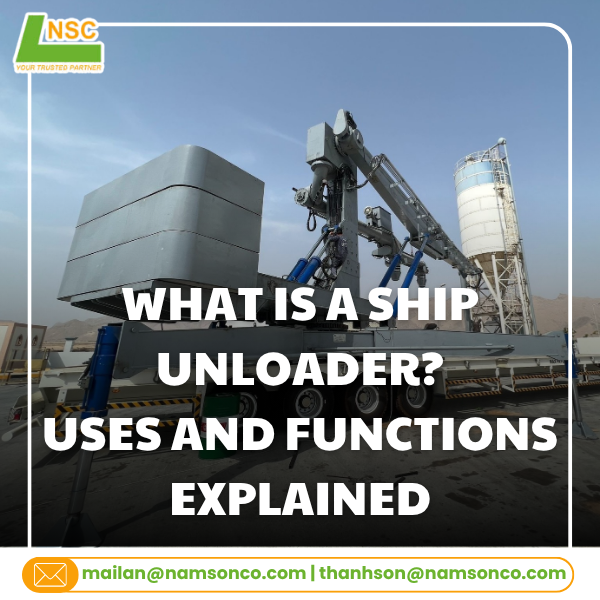
=> See more: What is a ship unloader? A complete guide to its function and applications
Selecting the right conveying method is essential for maximizing production efficiency and ensuring stable material flow. Different pneumatic conveying technologies are designed to meet various plant layouts, conveying distances, and production capacities.
A positive pressure conveying system uses compressed air to push cement through pipelines over long distances. This method is widely adopted for continuous conveying in large cement plants because it offers excellent reliability and supports high-volume production. It is particularly suitable for transferring cement between storage silos, grinding mills, and packing stations.
In contrast, a vacuum conveying system, also known as negative pressure conveying, pulls materials through enclosed pipelines instead of pushing them. This solution is ideal for collecting cement from multiple feeding points while maintaining a clean and controlled production environment. A vacuum transfer system is often selected for shorter conveying distances where minimizing dust emissions is a top priority.
Another important consideration is choosing between dense phase conveying and dilute phase conveying. Dense phase systems move cement at lower velocities using higher air pressure, reducing pipeline wear and material degradation. Dilute phase systems transport materials at higher speeds and are better suited for continuous operations with moderate conveying distances. Engineers evaluate factors such as pressure drop calculation, conveying velocity, and overall conveying efficiency to determine the most suitable configuration for each project.
One of the greatest benefits of a pneumatic cement conveying system is its ability to create a completely enclosed conveying system that prevents cement dust from escaping into the workplace. This not only protects employees but also helps manufacturers comply with increasingly strict environmental regulations.
Compared with conventional conveyors, pneumatic systems deliver energy efficient conveying while significantly reducing material loss during transportation. Since cement remains sealed inside pipelines, there is virtually no contamination from external sources, ensuring consistent product quality throughout the production process.
Modern systems are also designed for low maintenance conveying, allowing manufacturers to reduce unexpected downtime and maintenance expenses. Their highly automated operation supports continuous operation around the clock, making them ideal for facilities with demanding production schedules.
In addition, high efficiency conveying improves productivity by enabling rapid and accurate automatic material transfer between different processing stages. Whether handling dry cement conveying, dry powder conveying, or other powder transportation systems, pneumatic technology offers reliable performance with minimal operator intervention.
Although widely recognized in the cement sector, pneumatic conveying technology is also used across numerous industries that require efficient bulk powder transportation.
In a concrete batching plant, pneumatic conveying delivers cement directly from storage silos to weighing systems with exceptional accuracy. A ready mix concrete plant benefits from consistent material feeding, helping maintain concrete quality while reducing production delays.
Large cement terminals and cement depots depend on pneumatic systems to load and unload bulk cement quickly while minimizing dust emissions during storage and distribution. Beyond cement production, industries such as mining rely on advanced mining material conveying solutions for transporting powdered minerals safely and efficiently.
The technology is equally valuable in power plant conveying, where fly ash and other fine powders require enclosed handling systems. Likewise, manufacturers in the chemical industry use chemical powder conveying systems to transport sensitive materials without contamination. Thanks to their flexibility, pneumatic systems have become an essential component of modern dry bulk handling, bulk solids conveying, and industrial powder conveying systems.
A pneumatic conveying system performs most efficiently when integrated with modern cement storage infrastructure. A properly designed cement silo system allows materials to move smoothly between production, storage, and packaging without unnecessary handling.
The process typically begins with cement silo feeding, where cement is transferred into storage after production. During operation, automated silo discharge systems regulate material flow according to production demand, while silo loading systems and silo unloading systems ensure safe and efficient movement of bulk cement throughout the facility.
Whether installed with a standard cement storage silo or a high-capacity bulk cement silo, pneumatic conveying minimizes dust generation while maintaining consistent material flow. Advanced cement silo transfer technology also enables seamless integration with silo pneumatic conveying networks and cement mill conveying operations, creating a highly efficient production process from raw material storage to final product packaging.
Designing an efficient pneumatic cement conveying system requires careful engineering analysis to ensure reliable performance and long service life. Every production facility has unique requirements, so engineers must evaluate plant layout, conveying distance, material characteristics, and production capacity before selecting equipment.
A customized pneumatic conveying design begins with detailed conveying system engineering to determine the most efficient material flow. Proper conveying layout design minimizes pipeline bends and pressure losses while improving operational efficiency. By integrating the conveying equipment with existing production lines, manufacturers can achieve seamless conveying system integration throughout the plant.
Modern process engineering also focuses on reducing energy consumption while maximizing productivity. Many suppliers provide a complete plant engineering solution, including equipment selection, installation planning, and automation programming. For large industrial projects, a customized pneumatic conveying project or turnkey conveying solution simplifies implementation and ensures every component works together as a complete industrial automation system.
Selecting the right system depends on more than production volume alone. Manufacturers should evaluate the required conveying capacity, total conveying distance, and expected material flow rate before choosing equipment.
Pipeline design is equally important because the correct pipeline diameter directly influences conveying efficiency and energy consumption. Engineers must also determine the appropriate air pressure conveying conditions based on cement characteristics and plant layout.
For facilities handling large production volumes, integrating the conveying system into a complete bulk material handling system can significantly improve productivity. Companies processing multiple powdered materials should also consider bulk powder handling, powder transfer systems, bulk transfer equipment, and specialized powder processing equipment to maximize operational flexibility.
Proper installation and regular maintenance are essential for ensuring reliable operation over many years. Professional conveying system installation ensures that every pipeline, valve, and control unit operates according to design specifications.
Routine conveying system maintenance helps prevent unexpected failures while extending equipment lifespan. Experienced suppliers also provide comprehensive pneumatic system service, including equipment commissioning, scheduled preventive maintenance, and regular system inspection.
If operational issues occur, timely equipment troubleshooting minimizes production interruptions. Access to professional maintenance support and genuine spare parts for conveying systems further improves long-term reliability. A responsive after-sales service team is therefore an important factor when selecting a conveying equipment supplier.
Working with an experienced pneumatic conveying system manufacturer provides more than high-quality equipment. A reliable pneumatic conveying system supplier understands the operational requirements of different industries and delivers customized solutions that improve efficiency and reduce operating costs.
A professional pneumatic conveying system factory combines advanced manufacturing capabilities with strict quality control to ensure consistent product performance. Companies serving global markets as a pneumatic conveying system exporter can also provide internationally recognized engineering standards and technical support.
Many industrial buyers prefer an OEM pneumatic conveying system that is specifically designed for their production process. Choosing a custom conveying system manufacturer or experienced conveying solution provider ensures every project is optimized for capacity, layout, and automation requirements. Whether supplying a complete production line or individual equipment, a trusted cement conveying equipment supplier and industrial conveyor manufacturer can deliver highly customized pneumatic conveying equipment that supports long-term business growth.
An industrial pneumatic cement conveying system is an essential investment for manufacturers seeking cleaner production, higher efficiency, and reliable bulk material handling. By replacing traditional conveying methods with enclosed pneumatic technology, companies can reduce dust emissions, lower maintenance costs, and improve overall operational performance.
Whether your project requires a standard solution or a fully customized system, partnering with an experienced supplier ensures the equipment is engineered to meet your production goals. If you are looking for a dependable industrial conveying solution supplier, request a pneumatic cement conveying system quotation from a trusted manufacturer. A professional partner can help you buy a pneumatic conveying system tailored to your facility, provide OEM cement conveying systems, support wholesale pneumatic conveying systems, and deliver commercial conveying equipment for global export. Investing in the right solution today will help your business achieve safer, cleaner, and more efficient cement handling for years to come.
Looking for a reliable industrial pneumatic cement conveying system for your cement plant or bulk material handling project? Our engineering team provides customized OEM solutions designed to match your production capacity, plant layout, and operational requirements. Contact us today for expert consultation, technical support, and a competitive quotation tailored to your business needs.
° Website: mayhutthoi.com| namsonco.com
° Alibaba:dthson.trustpass.alibaba.com
° Facebook: facebook.com/NamSonPneumaticConveyor
° Zalo/Whatsapp: (+84) 949854582
° Email: mailan@namsonco.com | thanhson@namsonco.com


Copyright © 2016 Nhuamisa