

Hotline/Whatsapp: +84 949 854 582thanhson.namson@gmail.com


An Industrial Cement Silo is essential equipment for storing and supplying bulk cement in concrete batching plants. It provides a reliable storage solution that protects cement from moisture, contamination, and material loss while ensuring a continuous supply for concrete production.
Designed for industrial applications, cement silos can accommodate different storage capacities, structural configurations, and material handling requirements. Choosing the right silo helps batching plants improve operational efficiency, optimize storage space, and maintain consistent production performance.
An Industrial Cement Silo is a specialized storage structure designed to hold bulk cement and other powdered materials before they are used in concrete production. Unlike conventional storage containers, a cement storage silo is equipped with dedicated loading, discharging, and dust collection systems.
In concrete batching plants, cement is typically delivered by bulk tanker trucks and transferred into the silo through pneumatic conveying systems. When required, cement is discharged through a bottom outlet and transported to the mixing equipment.
A well-designed bulk cement storage silo helps maintain material quality, reduce handling operations, and ensure a stable supply of cement for daily production.
=>See more: The role of cement silo storage in modern concrete production
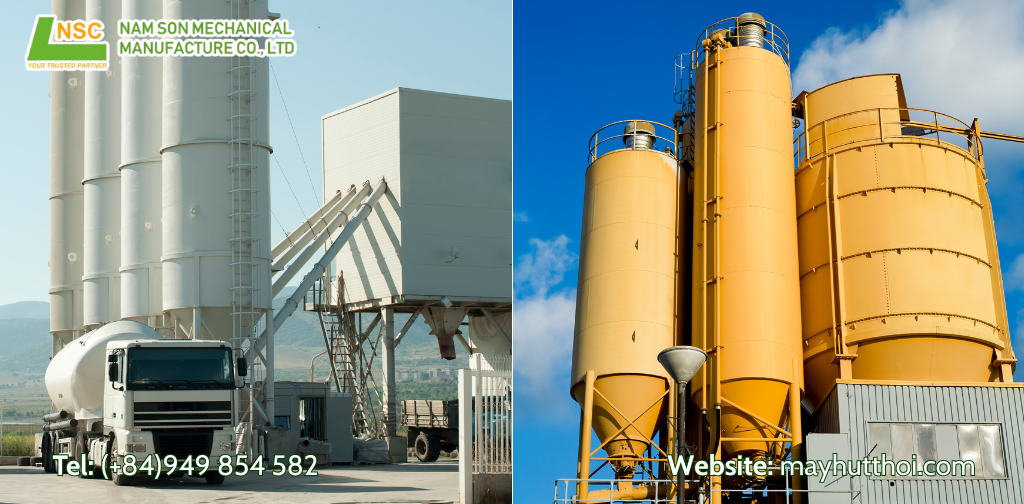
Installing an Industrial Cement Silo offers several advantages for concrete batching operations.
Efficient Bulk Cement Storage: Large-capacity silos allow batching plants to store significant quantities of cement on-site, reducing frequent deliveries and improving inventory management.
Moisture and Dust Protection: Enclosed storage structures help prevent moisture from entering the silo, reducing the risk of cement hardening. Integrated dust collectors also minimize dust emissions during loading and unloading.
Improved Production Efficiency: Automated loading and discharging systems ensure a consistent supply of cement to the batching process. As a result, operators can reduce manual handling and maintain smoother production operations.
Better Space Utilization: Vertical cement silos maximize storage capacity while occupying relatively little ground space, making them suitable for facilities with limited installation areas.
Industrial cement silos are available in different designs to meet the storage requirements and installation conditions of concrete batching plants.
A Vertical Cement Silo is widely used in concrete batching plants because of its large storage capacity and compact footprint. Its upright structure makes efficient use of available space while supporting bulk cement storage for continuous production.
A Horizontal Cement Silo features a low-profile design that can be suitable for temporary construction sites or locations with height restrictions. Some models are equipped with wheels or transportable support structures for easier relocation.
A Bolted Cement Silo consists of prefabricated steel panels assembled with bolts. This design simplifies transportation and on-site installation, making it a practical option for projects requiring flexible storage solutions.
A Welded Cement Silo is manufactured by joining steel plates through welding. It is generally suitable for permanent installations where transportation and assembly requirements allow for a larger prefabricated structure.
A complete cement silo system includes several components that work together to ensure safe storage and efficient material handling.
Loading System: Pneumatic conveying equipment transfers bulk cement from tanker trucks into the silo through dedicated pipelines.
Dust Collector: A cement silo dust collector captures airborne particles during filling, helping reduce dust emissions and maintain a cleaner working environment.
Aeration System: Air pads or aeration devices help improve cement flow and reduce material buildup near the discharge outlet.
Discharge System: A bottom discharge outlet, control valve, and screw conveyor regulate the flow of cement from the silo to the batching equipment.
Safety and Monitoring Devices: Level indicators monitor stored material levels, while pressure relief valves help protect the silo against excessive internal pressure.
These components contribute to reliable operation and more efficient bulk powder handling.
Storage capacity is one of the most important factors when selecting an Industrial Cement Silo for a concrete batching plant. Common configurations include 50-ton, 100-ton, 200-ton, and 500-ton cement silos, depending on production volume and delivery frequency.
The appropriate capacity should be determined by daily cement consumption, available installation space, and the required storage period.
Material selection also affects silo durability and performance. Carbon steel is commonly used because of its strength and suitability for industrial storage applications. Stainless steel may be considered for specific environments or material requirements.
In addition, structural design, wall thickness, support legs, foundation requirements, and discharge configuration must be carefully evaluated to ensure safe operation.
Custom capacity and dimensions can also be developed to match individual concrete batching plant requirements.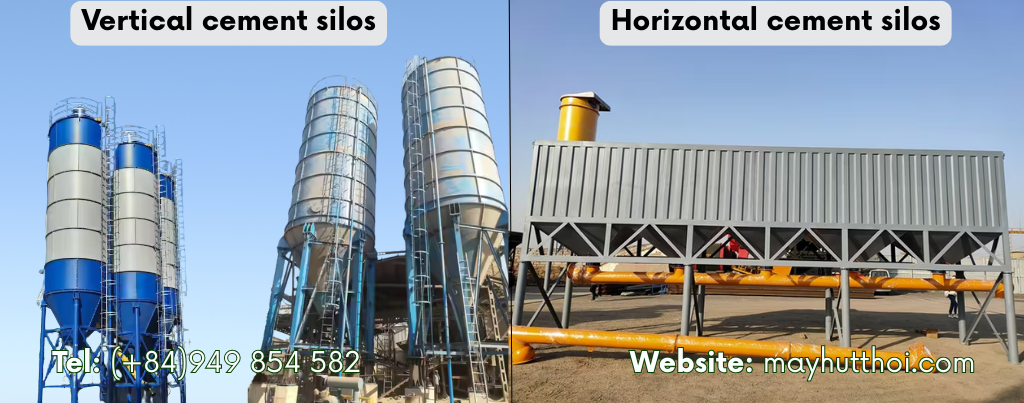
Industrial Cement Silos are primarily designed for bulk powder storage in concrete production facilities. However, their applications extend to several other industrial environments.
Concrete Batching Plants: Store bulk cement and supply it to mixing systems according to production requirements.
Precast Concrete Plants: Maintain a consistent cement supply for manufacturing precast concrete components.
Cement Manufacturing Plants: Provide intermediate storage for cement during production and material handling processes.
Construction Sites: Support large-scale infrastructure projects that require continuous access to bulk cement.
Other Powder Storage Applications: With suitable design and material compatibility, silos can also store fly ash, limestone powder, and other dry bulk materials.
Selecting the right Industrial Cement Silo requires evaluating several factors to ensure compatibility with the batching plant.
First, determine the required storage capacity based on daily cement consumption and delivery schedules. Next, evaluate the available installation space, including silo height, foundation area, and access for bulk tanker trucks.
Material selection is equally important. Carbon steel silos are commonly preferred for industrial applications due to their structural strength and durability.
Additionally, consider the loading and discharging systems, dust collection equipment, and automation requirements. Safety devices and maintenance accessibility should also be included in the evaluation.
A properly selected silo can improve storage efficiency while supporting reliable concrete production.
The price of an Industrial Cement Silo depends on several factors, including storage capacity, dimensions, steel materials, structural design, and additional equipment.
For example, a large-capacity silo with automated conveying systems and advanced dust collection equipment will generally require a higher investment than a basic storage configuration.
When choosing an Industrial Cement Silo Manufacturer, buyers should evaluate manufacturing experience, engineering capabilities, material quality, customization options, and technical support.
A reliable supplier should be able to provide suitable silo configurations based on the batching plant's production requirements, installation conditions, and operational needs.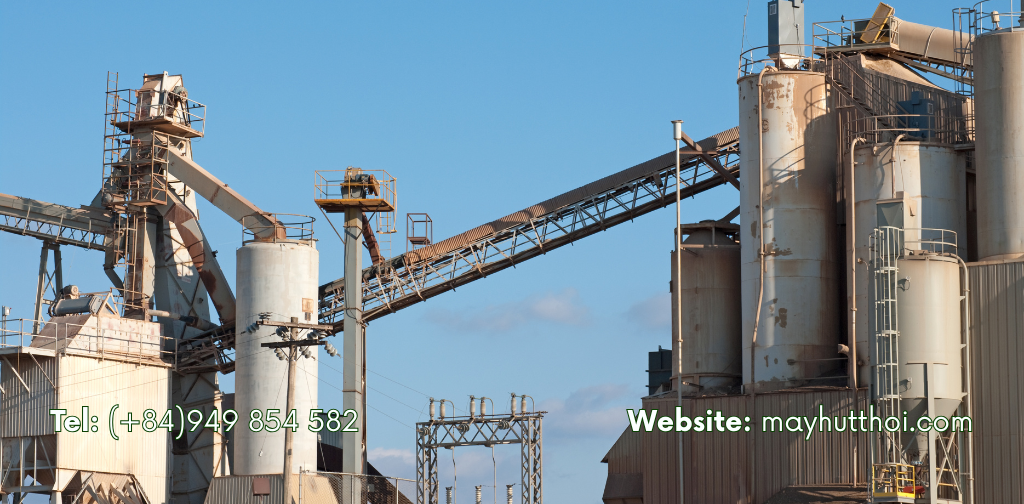
What Is the Best Cement Silo Capacity for a Concrete Batching Plant?
The ideal capacity depends on daily cement consumption, production output, and delivery frequency. Common options include 50-ton, 100-ton, 200-ton, and 500-ton silos.
How Does an Industrial Cement Silo Prevent Moisture?
Enclosed steel construction, properly sealed openings, and suitable vent filters help prevent moisture from entering the storage area and protect cement quality.
What Is the Difference Between Bolted and Welded Cement Silos?
Bolted silos use prefabricated panels for on-site assembly, making transportation easier. Welded silos use permanently joined steel plates and are often manufactured for fixed installations.
How Is Cement Transported from a Silo to a Batching Plant?
Cement is typically discharged through the bottom outlet and transported using screw conveyors or pneumatic conveying systems to the batching equipment.
The cost varies according to capacity, materials, design, equipment configuration, transportation, and installation requirements. Buyers should request a customized quotation based on their project specifications.
Looking for a reliable Industrial Cement Silo for your concrete batching plant? Contact us today to discuss your storage requirements and get a customized silo solution with suitable capacity, durable construction, and efficient material handling systems. Our team is ready to assist you with product specifications and a competitive quotation.
✱ Website: mayhutthoi.com| namsonco.com
✱ Alibaba:dthson.trustpass.alibaba.com
✱ Facebook: facebook.com/NamSonPneumaticConveyor
✱ Zalo/Whatsapp:(+84) 949854582
✱ Email: mailan@namsonco.com | thanhson@namsonco.com


Copyright © 2016 Nhuamisa