Choosing the
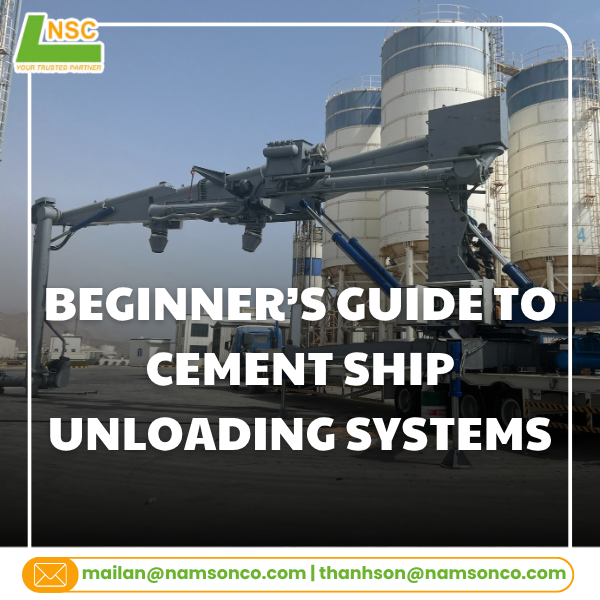
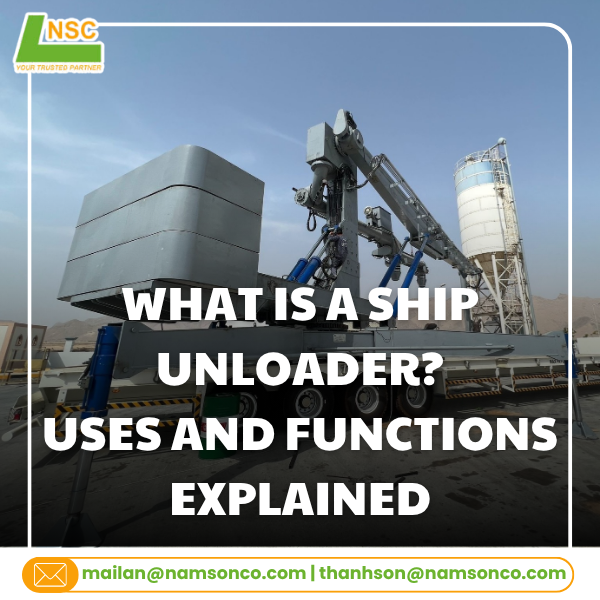
right cement unloading solution is essential for efficient port operations. A well-designed cement unloading system for port helps ports unload vessels faster, reduce dust emissions, and ensure smooth transfer of cement from ship to silo. Understanding the key factors and available technologies allows port operators to select the most suitable system for long-term performance.
Introduction
In modern port logistics, selecting the right system for handling bulk cement is essential for maintaining efficient operations. A well-designed bulk cement unloading system helps ports transfer cement from vessels quickly while minimizing material loss and environmental impact. Because cement is a fine powder material, improper unloading methods can lead to dust pollution, slow unloading speed, and high operational costs.
An effective port cement handling system ensures smooth movement of cement from ships to storage facilities. Many ports today invest in advanced marine cement unloading system solutions that allow continuous unloading, stable material flow, and better integration with storage silos. Choosing the right system is therefore a critical decision that directly affects port productivity and operational efficiency.
=>See more: 5 common errors when operating a cement ship unloader and how to fix them
Types of Cement Unloading Systems
Understanding the available unloading technologies is the first step when selecting a suitable system for port operations.
1. Pneumatic Conveying System
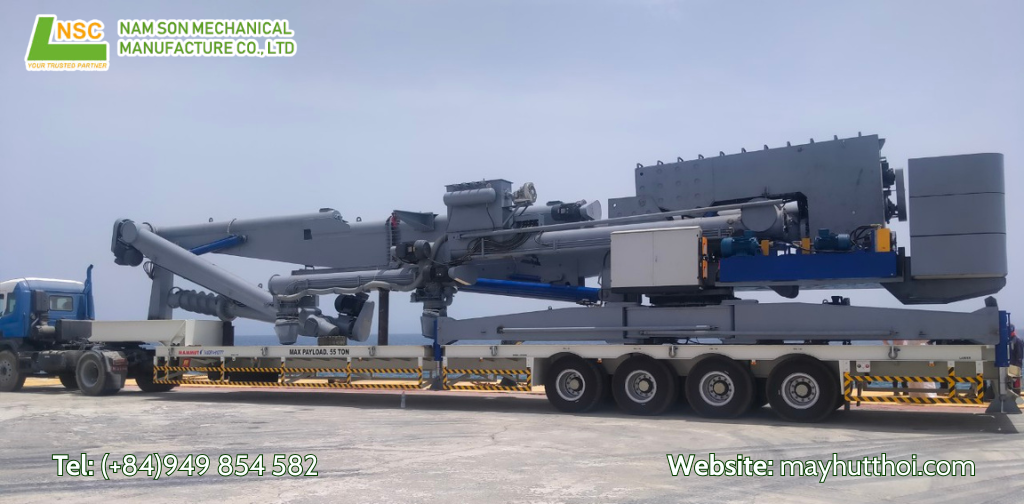
Pneumatic conveying systems are widely used for cement unloading because they are highly efficient for transporting fine powder materials. A pneumatic cement unloader uses compressed air to move cement through sealed pipelines from the ship to the storage silo. This method allows cement to travel over relatively long distances without contamination.
The main advantage of pneumatic conveying for cement is its enclosed design, which significantly reduces dust emissions during the unloading process. This type of system also allows flexible installation and can be integrated with automated control systems. For these reasons, pneumatic systems are often preferred in modern port facilities handling large volumes of cement.
2. Mechanical Conveying System
Mechanical conveying systems rely on physical components to transport cement rather than compressed air. Equipment such as screw conveyor for cement unloading or bucket elevator for cement terminal moves the material through rotating mechanisms.
These systems are typically used when the transport distance is shorter or when the port infrastructure favors mechanical equipment. While mechanical conveyors can be robust and relatively simple to maintain, they may require additional dust control measures to prevent cement particles from escaping into the surrounding environment.
Key Factors to Consider
When selecting the right unloading system, several operational and technical factors must be evaluated to ensure the equipment meets the port’s requirements.
1. Capacity and Unloading Speed
One of the most important considerations is the system’s capacity and unloading speed. A high capacity cement unloading system allows ports to handle large volumes of cement efficiently and reduces the time ships must remain docked.
Ports that handle frequent shipments often prioritize systems capable of rapid bulk cement discharge system performance. Faster unloading not only improves operational efficiency but also reduces vessel waiting time and overall logistics costs.
2. Port Layout and Infrastructure
The physical layout of the port strongly influences the choice of equipment. Factors such as the distance between the berth and storage area, available installation space, and structural limitations must all be considered.
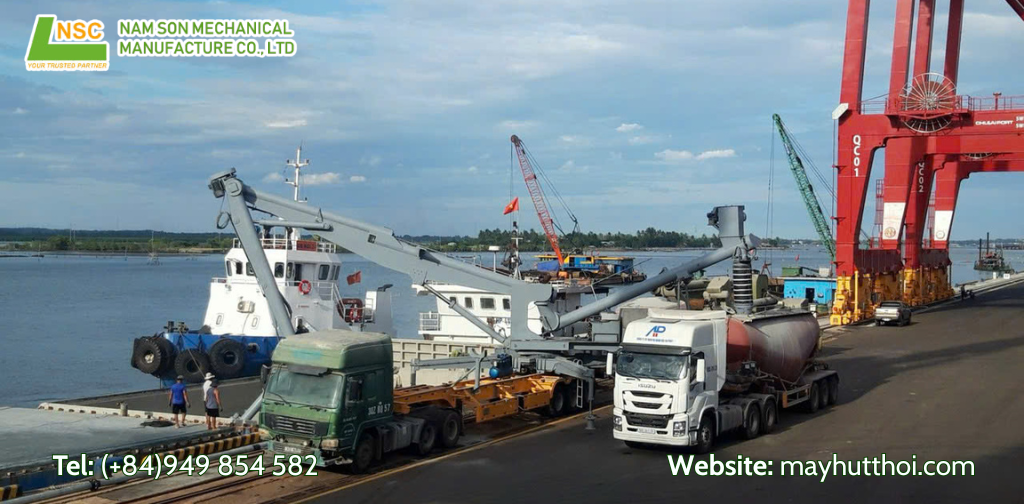
Selecting the right port cement terminal equipment ensures that the unloading process fits seamlessly into the port’s operational design. Properly configured cement dock unloading equipment can optimize material flow and reduce the risk of bottlenecks during unloading operations.
3. Integration with Silos
Once cement is unloaded from the ship, it must be transported safely to storage facilities. Therefore, the unloading system must integrate efficiently with the cement silo loading system used at the terminal.
A reliable ship to silo cement transfer process ensures continuous movement of material without blockages or interruptions. Proper integration between the unloading equipment and the storage system helps maintain consistent flow rates and prevents operational delays. This coordination is especially important in ports that manage large volumes of bulk cement shipments.
Dust & Efficiency
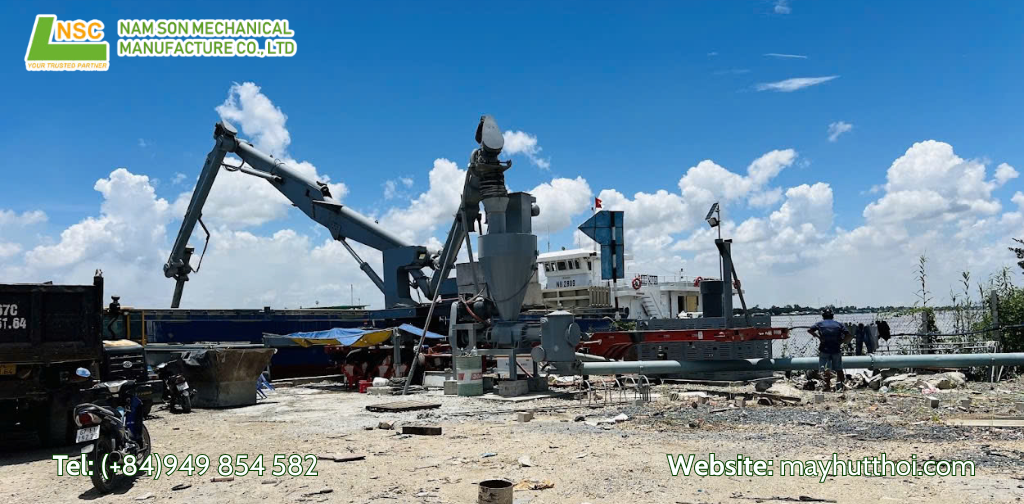
Dust management is a critical aspect of cement handling at ports. Since cement particles are extremely fine, uncontrolled unloading processes can cause serious environmental and workplace issues. Implementing a dust free cement unloading system helps minimize airborne particles and improves safety conditions for workers.
In addition to environmental considerations, energy efficiency also plays an important role in system selection. Modern equipment designed for energy efficient cement unloading helps ports reduce electricity consumption while maintaining high operational performance. Systems that combine dust control and energy efficiency can significantly lower long-term operating costs.
Supplier & Maintenance
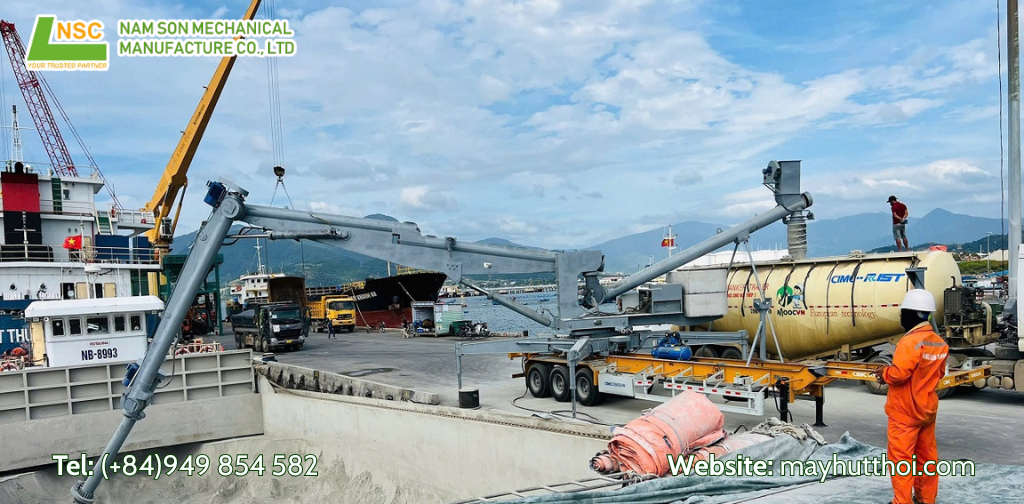
Choosing the right equipment supplier is just as important as selecting the system itself. A reliable cement unloading system manufacturer can provide technical expertise, customized solutions, and ongoing support throughout the project lifecycle.
Regular maintenance is also necessary to ensure stable operations. Proper cement terminal equipment maintenance helps prevent unexpected downtime and extends the service life of critical components. Ports that work with experienced suppliers and follow a structured maintenance plan are more likely to maintain consistent and efficient unloading operations.
Conclusion
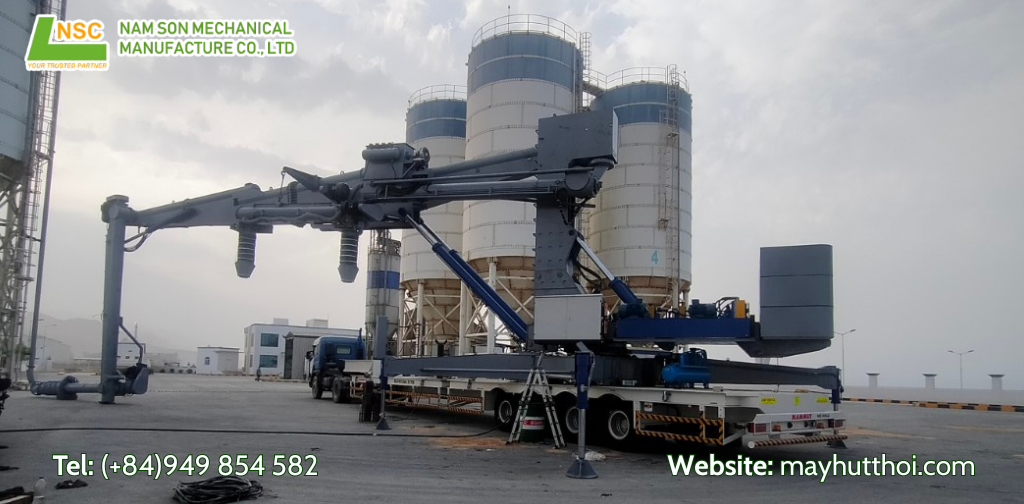
Selecting the appropriate cement unloading system is a key factor in improving port efficiency and handling bulk cement safely. A well-designed efficient cement transfer system from ship to silo ensures smooth material flow, faster unloading operations, and better environmental performance.
Investing in the right bulk cement unloading system for seaport operations allows ports to optimize their logistics processes, reduce operational costs, and support the growing demand for cement transportation in global trade.
Contact us
Looking for a reliable cement unloading system for port operations? Our engineering team provides customized bulk cement handling solutions designed for high efficiency, dust control, and seamless integration with port terminals.
Contact us today to discuss your project and receive expert consultation on the most suitable cement unloading system for your port.
✱ Website: mayhutthoi.com|
namsonco.com✱ Alibaba: dthson.trustpass.alibaba.com✱ Facebook: facebook.com/NamSonPneumaticConveyor✱ Zalo/Whatsapp:(+84) 949854582
✱ Email: mailan@namsonco.com | thanhson@namsonco.com