Choosing the right
cement bulk unloader is a critical decision that directly impacts unloading efficiency, operating stability, and total investment cost. By carefully evaluating capacity requirements, system design, and cost-driving factors, businesses can avoid common mistakes and select a cement unloading solution that delivers long-term performance and value.
Introduction
Choosing the right
cement bulk unloader plays a critical role in ensuring smooth cement handling operations and controlling long-term operating costs. In bulk cement logistics, unloading efficiency directly affects production continuity, labor utilization, and material loss. A poorly selected system can lead to bottlenecks, excessive dust, or unnecessary energy consumption. For this reason, decision-makers must evaluate a
cement bulk unloader based on three essential factors: the required capacity, the appropriate design, and the total cost over the equipment’s lifecycle. This article focuses exclusively on these three aspects to support accurate and practical selection.
=>See more:What is a ship unloader? A complete guide to its function and applications
Cement bulk unloader capacity: Determining the right throughput
Capacity selection is the foundation of choosing an effective
cement bulk unloader. The correct throughput ensures that cement is unloaded at a pace aligned with operational demand without overloading the system or creating idle capacity. In real-world applications, capacity should be defined by the actual volume of cement that needs to be handled within a given timeframe rather than the maximum rated output of the equipment.
A
high capacity cement unloader is typically required in operations where cement unloading must be completed within tight logistical windows. When unloading is performed on a regular and uninterrupted basis, integrating a
continuous cement unloading system helps maintain stable material flow and reduces the risk of congestion. In contrast, smaller facilities benefit from capacity levels that match daily production requirements, avoiding unnecessary investment and energy usage.
For example, a
concrete batching plant cement unloader usually prioritizes consistency and repeatability over extreme throughput, while a
cement plant unloading system must be designed to handle larger volumes over extended periods. Aligning the
cement bulk unloader capacity with the scale of operation ensures both efficiency and cost control.

Cement bulk unloader design: Selecting the most suitable system configuration
Once capacity requirements are clearly defined, the next critical decision is selecting the appropriate
cement bulk unloader design. Design determines how cement is conveyed, how effectively dust is controlled, and how well the system integrates into existing infrastructure.
A
pneumatic cement unloader is widely used in modern installations due to its enclosed conveying method and flexibility in layout. By using air pressure to transfer cement through pipelines, this design supports cleaner operation and minimizes material loss. In contrast, a
mechanical cement unloader relies on physical conveying components and may be suitable in environments where layout constraints or material characteristics favor mechanical transfer.
The choice of
cement bulk unloader design is also strongly influenced by the method of cement transportation. A
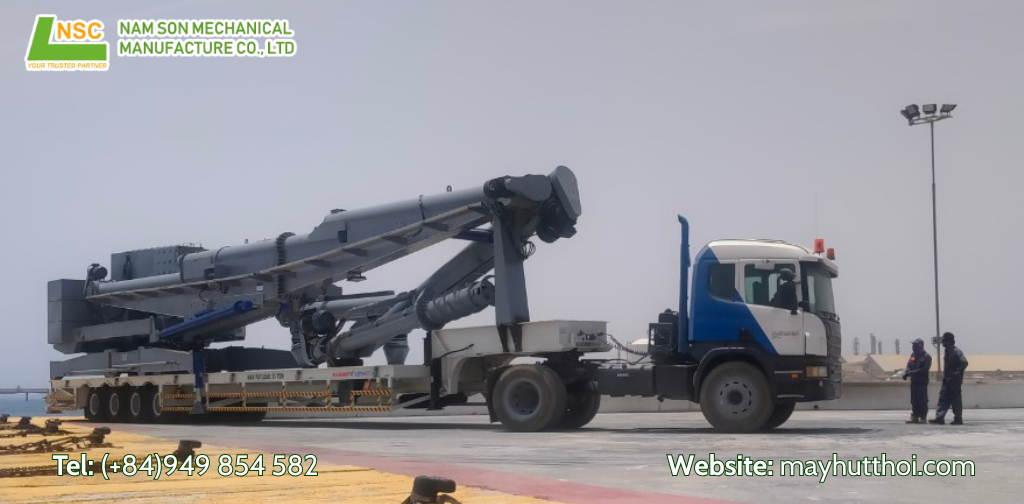
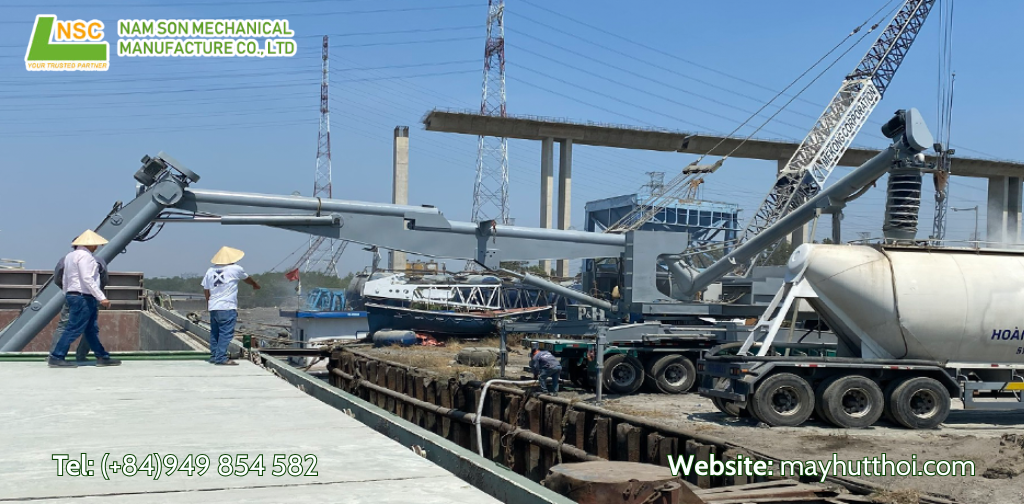
cement unloader for truck applications must allow rapid connection, efficient unloading, and minimal vehicle downtime. For maritime or large-volume logistics, a cement unloader for bulk carrier requires robust design and stable performance during long unloading cycles. Selecting a design that matches the transport method improves reliability and operational safety.
Modern design considerations also include environmental and automation requirements. A
dust free cement unloading system supports compliance with environmental standards, while an
automatic cement unloading system reduces reliance on manual intervention and improves process consistency. These design elements directly influence both performance and long-term operational stability.
Cement bulk unloader cost factors: Understanding what drives total cost
Evaluating cost is an essential step in selecting a
cement bulk unloader, but focusing solely on the purchase price often leads to suboptimal decisions. The true cost of a cement unloading system includes both initial investment and ongoing operating expenses throughout its service life.
The initial investment is primarily influenced by system capacity, design complexity, and component quality. Higher throughput systems and advanced configurations naturally result in a higher
industrial cement unloader price, especially when sourced from a specialized
cement unloader factory with customized engineering solutions. While these systems may require greater upfront expenditure, they often provide better long-term performance and reliability.
Operating and maintenance costs represent a significant portion of the total cost of ownership. Energy consumption during unloading operations directly affects daily operating expenses, making an energy saving cement unloader a valuable investment over time. Maintenance requirements, including wear parts and service intervals, also impact cost efficiency. A design that simplifies access and reduces component wear can significantly lower
cement unloader maintenance costs and minimize downtime.
When capacity, design, and operating efficiency are properly balanced, the result is a truly cost effective cement unloader that delivers consistent performance without excessive long-term expense.
Balancing capacity, design and cost in cement bulk unloader selection
The most successful
cement bulk unloader installations are those where capacity, design, and cost are considered as interconnected factors rather than independent choices. Oversizing capacity without operational justification increases capital and energy costs, while selecting a complex design for a simple application adds unnecessary maintenance burdens. Likewise, choosing equipment based only on low purchase price often leads to higher operating costs and reduced efficiency.
A balanced approach allows operators to
improve cement unloading efficiency while maintaining predictable costs and reliable performance. By aligning throughput requirements with appropriate design and realistic budget considerations, businesses can achieve long-term operational stability and return on investment.
Conclusion
Choosing the right
cement bulk unloader requires a focused evaluation of capacity, design, and cost factors. A system with properly matched throughput, a suitable design for the application, and a well-understood cost structure provides reliable performance and sustainable value. By making informed decisions in these three areas, companies can ensure that their
cement bulk unloader supports efficient operations and long-term business growth.
Contact us
If you are planning to invest in a
cement bulk unloader or need technical advice for your specific application,
contact our team for a customized solution. We provide professional consultation, capacity calculation, and system design to help you choose the most efficient and cost-effective cement unloading equipment.
✱ Website: mayhutthoi.com|
namsonco.com✱ Alibaba: dthson.trustpass.alibaba.com✱ Facebook: facebook.com/NamSonPneumaticConveyor✱ Zalo/Whatsapp: (+84) 949854582
✱ Email: mailan@namsonco.com | thanhson@namsonco.com