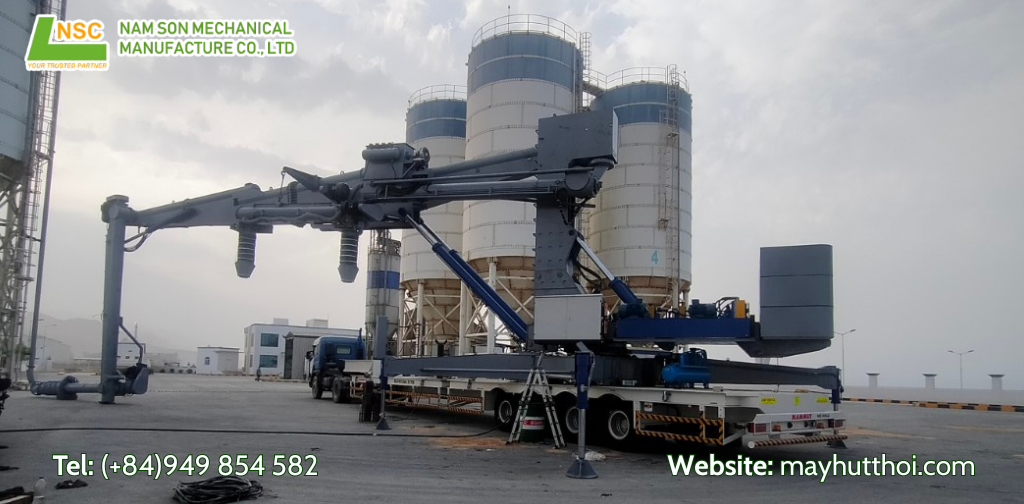
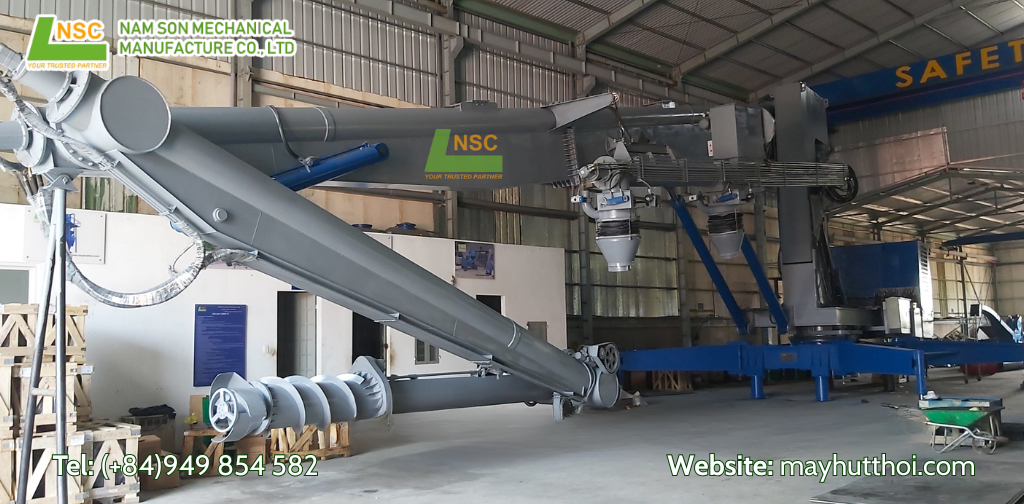
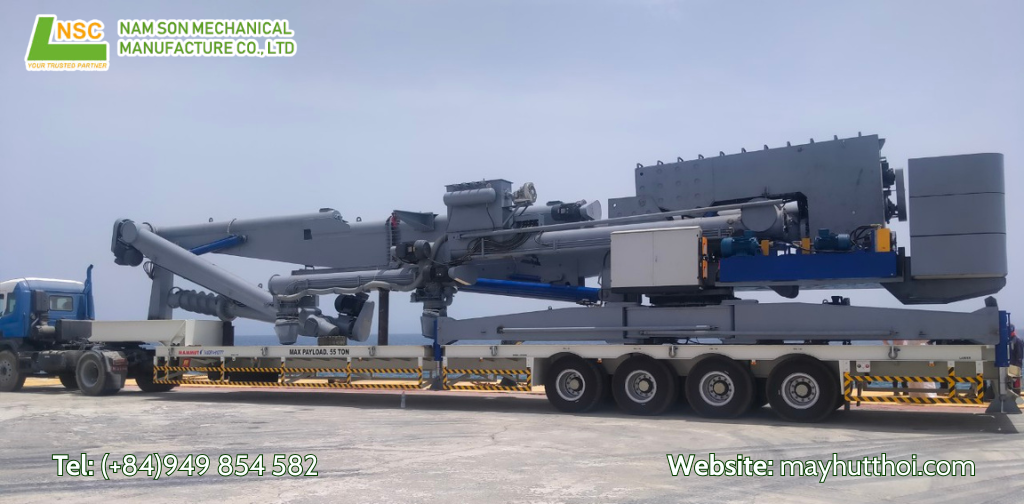
Cement ship unloader capacity and its impact on bulk cement unloading efficiency
In bulk cement logistics, unloading efficiency at ports is a critical factor influencing overall supply chain performance. One of the most important parameters shaping this efficiency is cement ship unloader capacity, which determines how quickly and reliably cement can be discharged from vessels. From reducing vessel waiting time to ensuring continuous material flow into storage systems, unloader capacity has a direct and measurable impact on bulk cement unloading efficiency. Understanding this relationship is essential for ports and cement terminals seeking to optimize operations and long-term productivity.
Introduction
In bulk cement logistics, the unloading process at ports plays a decisive role in determining overall operational efficiency. Among the many technical parameters involved, cement ship unloader capacity stands out as one of the most critical factors influencing bulk cement unloading efficiency. The capacity of a cement ship unloader directly affects unloading time, vessel turnaround, port congestion, and the continuity of cement supply to downstream storage and production facilities.
As cement terminals and ports handle increasing import volumes, the demand for efficient and reliable unloading systems continues to grow. Selecting and operating a ship unloader with an appropriate capacity is no longer a purely technical decision; it is a strategic factor that impacts logistics performance, operational costs, and long-term terminal productivity.
Cement ship unloader capacity refers to the amount of bulk cement that a ship unloading system can transfer from a vessel to the receiving system within a given period, typically expressed in tons per hour (TPH). This parameter represents the throughput capability of the unloader under defined operating conditions.
It is important to distinguish between rated capacity and actual operating throughput. Rated capacity is usually specified under ideal conditions, assuming optimal material flow and uninterrupted operation. In real port environments, however, the cement unloader output rate may vary due to material properties, system layout, and operational constraints. Understanding this distinction is essential when evaluating how unloader capacity affects overall unloading efficiency.
Factors Influencing Cement Ship Unloader Capacity
Several factors can significantly influence the effective capacity of a cement ship unloader. One of the most important is the physical condition of the bulk cement itself. Variations in moisture content and bulk density can alter flow behavior, leading to reduced cement unloading rates or temporary blockages within the system.
System design is another key contributor. The conveying distance, vertical lifting height, and integration with downstream equipment such as silos or transfer conveyors all affect cement unloading system capacity. Additionally, port-specific operational conditions—including berth layout, space limitations, and working schedules—can influence how consistently the unloader maintains its designed throughput.
Impact of Unloader Capacity on Bulk Cement Unloading Efficiency
The relationship between cement ship unloader capacity and bulk cement unloading efficiency is most evident in vessel turnaround time. A higher and more stable unloading capacity enables faster discharge of cement cargoes, reducing vessel waiting time and increasing berth availability.
Beyond time savings, appropriate unloader capacity contributes to smoother material flow throughout the unloading process. Continuous and balanced throughput minimizes start-stop operations, reduces mechanical stress on equipment, and improves the overall unloading efficiency rate. Conversely, insufficient capacity can cause bottlenecks, disrupt storage operations, and negatively impact the reliability of cement supply chains.
Capacity Design Considerations for Efficient Cement Unloading
Designing or selecting a cement ship unloader requires careful consideration of the terminal’s actual handling requirements. Optimized cement unloader capacity should align with expected cargo volumes, vessel arrival frequency, and daily unloading targets.
Oversizing the unloader may lead to unnecessary capital expenditure and underutilized equipment, while undersizing can result in prolonged unloading times and reduced operational efficiency. Effective capacity planning balances current demand with reasonable allowances for future expansion, ensuring that bulk cement unloading efficiency remains high without introducing excessive cost or complexity.
Matching Unloader Capacity with Operational Conditions
For maximum efficiency, unloader capacity must be compatible with both vessel size and port infrastructure. Bulk cement carriers vary in cargo volume, and a mismatch between vessel size and unloader capacity can limit effective throughput. Similarly, port layout constraints and storage system capabilities must be considered to ensure that the unloading process remains continuous and controlled.
When capacity is properly matched to real operational conditions, cement terminals can maintain stable unloading performance while minimizing disruptions to logistics and production schedules.
Long-Term Performance and Efficiency Implications
Over time, the impact of cement ship unloader capacity extends beyond individual unloading operations. Consistent throughput contributes to predictable logistics planning, reduced operational risk, and improved asset utilization. Systems designed with realistic capacity margins tend to deliver more reliable long-term performance, supporting sustained bulk cement unloading efficiency.
Maintenance practices and operational discipline also play a role in preserving effective capacity. Even a well-designed unloader can experience reduced performance if capacity-related factors are not properly managed throughout its lifecycle.
Conclusion
Cement ship unloader capacity is a central determinant of bulk cement unloading efficiency. By directly influencing unloading time, material flow stability, and operational continuity, unloader capacity shapes the overall performance of cement terminals and ports. Selecting and managing the right capacity is essential for achieving efficient, reliable, and cost-effective bulk cement unloading operations.
As cement logistics systems continue to evolve, a clear understanding of how unloader capacity affects unloading efficiency provides a strong foundation for informed technical decisions and long-term terminal optimization.