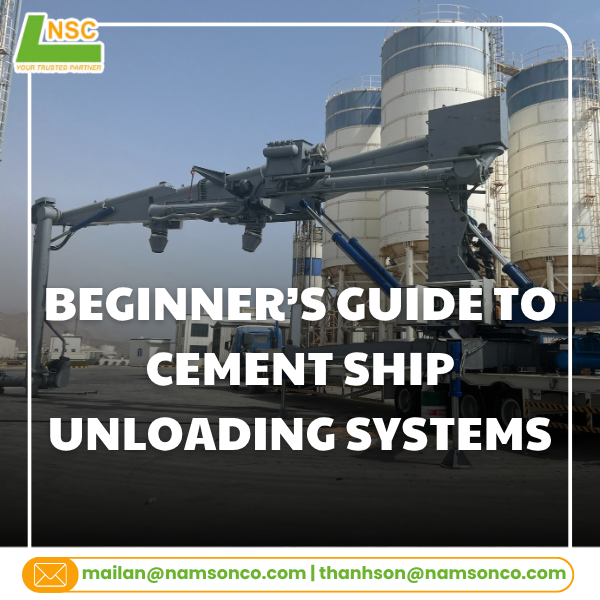
Efficient cement storage is essential for maintaining product quality, reducing material loss, and ensuring smooth industrial operations. Modern cement storage equipment combines advanced storage silos, conveying systems, and safety components to provide reliable bulk cement handling solutions. This article explores the key types, components, applications, and benefits of cement storage systems for industrial facilities.
Introduction
Efficient material storage is a critical factor in maintaining productivity and product quality across cement plants, concrete batching facilities, and bulk material handling operations. As cement is highly sensitive to moisture and contamination, investing in reliable cement storage equipment is essential for protecting material integrity and ensuring uninterrupted production.
Modern cement storage systems are designed to safely store large volumes of bulk cement while minimizing waste, reducing environmental impact, and improving operational efficiency. From cement silos and dust collection units to advanced pneumatic conveying systems, these solutions play a vital role in industrial facilities worldwide.
Whether you operate a cement manufacturing plant, a ready-mix concrete facility, or a bulk storage terminal, selecting the right cement storage equipment can significantly improve material management and lower long-term operating costs.
=>See more:
The role of cement silo storage in modern concrete production
What Is Cement Storage Equipment?
Cement storage equipment refers to a range of systems and components specifically designed to store, protect, and manage bulk cement in industrial environments. These systems help maintain cement quality by preventing exposure to moisture, airborne contaminants, and environmental fluctuations that can affect product performance.
A complete cement storage system typically includes storage silos, material conveying equipment, dust collection devices, monitoring instruments, and safety accessories. Together, these components create an efficient solution for handling large quantities of cement throughout the production and distribution process.
Industrial facilities rely on bulk cement storage solutions to maintain a continuous supply of raw materials while reducing manual handling requirements. Proper storage also minimizes material loss and supports compliance with environmental and workplace safety regulations.
In addition to preserving product quality, modern cement storage equipment contributes to streamlined logistics and inventory management. Automated monitoring systems allow operators to track storage levels in real time, helping businesses optimize material usage and production planning.
Main Types of Cement Storage Equipment
Cement Silos
Cement silos are the most widely used storage solution for bulk cement. They provide a secure and enclosed environment that protects cement from moisture and contamination while allowing efficient loading and unloading operations.
A bulk cement silo can be customized to meet different storage capacity requirements, making it suitable for both small construction projects and large industrial facilities. Depending on operational needs, businesses can choose between bolted cement silos and welded cement silos.
Bolted cement silos offer modular construction, allowing easier transportation and on-site assembly. These silos are commonly selected for projects requiring flexible installation or future expansion. Their modular design also simplifies maintenance and relocation.
Welded cement silos, on the other hand, are manufactured as a single integrated structure. They provide excellent durability and structural stability, making them ideal for permanent installations in cement plants and large-scale production facilities.
The choice between bolted and welded silos depends on storage requirements, installation conditions, transportation considerations, and budget constraints.
Bulk Material Storage Systems
In addition to traditional silos, many industrial operations utilize advanced bulk material storage systems to improve material management efficiency. These systems are engineered to handle dry bulk materials, including cement, fly ash, and mineral powders.
A modern dry bulk storage system is designed to maximize storage capacity while ensuring smooth material flow. Specialized powder storage equipment helps prevent bridging, arching, and material compaction inside storage units, reducing operational disruptions.
Industrial cement storage facilities often incorporate automated monitoring technologies that provide real-time visibility into storage conditions. These systems help operators maintain optimal inventory levels while minimizing material waste.
By integrating storage equipment with material handling systems, facilities can achieve higher productivity, improved safety performance, and more efficient resource utilization.
Essential Components of a Cement Storage System
Dust Collection and Filtration
Dust management is one of the most important aspects of bulk cement storage. During loading, unloading, and conveying operations, fine cement particles can become airborne and create environmental and safety concerns.
A silo dust collector is designed to capture and filter airborne particles before they are released into the surrounding environment. High-efficiency filtration systems help facilities comply with environmental regulations while maintaining a cleaner working environment.
Many modern dust collection systems are equipped with automated cleaning mechanisms that ensure consistent filtration performance and reduce maintenance requirements.
In addition to dust collection units, advanced silo monitoring systems provide continuous visibility into equipment performance. Operators can detect potential issues early and implement preventive maintenance measures to avoid costly downtime.
Safety and Control Devices
Safety is a critical consideration in every cement storage facility. Modern storage systems incorporate various safety and control devices to protect equipment, personnel, and stored materials.
A silo safety valve plays an important role in preventing excessive pressure buildup inside storage vessels. When pressure exceeds safe operating limits, the valve automatically releases excess air to protect the silo structure.
Pressure relief valves provide an additional layer of protection by maintaining stable internal pressure conditions during loading and unloading operations. These devices help prevent structural damage and improve overall system reliability.
Silo level indicators are another essential component of a modern cement storage system. These instruments continuously monitor material levels and provide accurate inventory information, helping operators avoid overfilling or material shortages.
Together, these safety devices contribute to safer operations, reduced equipment wear, and improved process control.
Aeration and Fluidization Systems
Efficient material flow is essential for maintaining productivity in bulk cement storage applications. Over time, stored cement may compact or develop flow restrictions that interfere with discharge operations.
Silo aeration systems address this challenge by introducing controlled airflow into the stored material. This process improves material fluidity and promotes consistent discharge performance.
Similarly, silo fluidization systems utilize specialized aeration technologies to keep cement particles moving freely within the storage vessel. By reducing compaction and material buildup, these systems help ensure smooth and reliable material handling.
Facilities that invest in effective aeration and fluidization technologies often experience fewer operational interruptions, lower maintenance costs, and improved overall storage efficiency.
Cement Conveying and Handling Equipment
Cement storage systems are only effective when combined with reliable conveying equipment. Material handling solutions ensure that cement can be transferred efficiently between storage silos, production lines, loading stations, and processing equipment.
Modern pneumatic conveying systems use compressed air to transport cement through enclosed pipelines. This method minimizes dust generation, reduces contamination risks, and enables flexible plant layouts. Pneumatic cement transfer systems are widely used in cement plants, concrete batching facilities, and bulk material terminals because of their efficiency and low maintenance requirements.
For shorter conveying distances, mechanical handling equipment remains a practical solution. A screw conveyor for cement can move material continuously while maintaining precise feed rates. These systems are commonly integrated with cement feeding systems to ensure a stable supply of material to mixers, packaging units, or production equipment.
By combining storage and conveying equipment into a single integrated solution, industrial facilities can achieve higher productivity, better process control, and reduced operating costs.
Contact us
Looking for Reliable Cement Storage Equipment?
Whether you need a high-capacity cement silo, a complete pneumatic conveying system, or a customized bulk cement storage solution, our engineering team is ready to help. Contact us today for expert consultation, technical support, and a competitive quotation tailored to your project requirements.
Get in touch now to discuss your cement storage equipment needs and receive a customized solution for your facility.
✱ Website: mayhutthoi.com|
namsonco.com✱ Alibaba: dthson.trustpass.alibaba.com✱ Facebook: facebook.com/NamSonPneumaticConveyor✱ Zalo/Whatsapp:(+84) 949854582
✱ Email: mailan@namsonco.com | thanhson@namsonco.com